

If you’re experiencing trouble with your air conditioning system, you’re likely wondering when to replace your AC unit. As summer temperatures in Chicago rise, knowing when it’s time for AC replacement can save you from unnecessary repair costs and help you avoid uncomfortable days without cool air. In this guide, we’ll explain key signs it’s time for a new unit, how long AC compressors last, and the factors that affect air conditioning replacement costs.
How Long Does an Air Conditioner Last?
A typical air conditioning unit lasts about 10 to 15 years, depending on factors like usage, maintenance, and the model. The lifespan of an AC unit can be significantly reduced if it’s not properly maintained or if it is frequently running in extreme conditions. If your AC unit is approaching this age range, or requires frequent AC repair in Chicago, it may be a good time to consider AC replacement.
Like all appliances, regular care and attention can extend the life of your air conditioner. Ensuring it undergoes routine maintenance and servicing will help it last longer and run more efficiently. That said, even the best-maintained units will eventually require replacement, especially if they’re becoming increasingly inefficient or costly to repair.
Key Components to Maintain for Extending AC Life
Your AC system consists of several critical components that must be properly maintained to ensure longevity. These include:
- Air Filters: Dirty filters block airflow, forcing the system to work harder, which can lead to faster wear and increased energy costs. Clean or replace filters every 1-3 months.
- Coils (Evaporator and Condenser): Coils collect dirt over time, which reduces airflow and the system’s ability to absorb and expel heat. Clean the coils annually to keep them in good working condition.
- Refrigerant Levels: Low refrigerant levels can cause the compressor to overheat. Make sure refrigerant levels are checked regularly during maintenance to avoid potential damage.
- Thermostat: A malfunctioning thermostat can cause your system to run longer than necessary, wasting energy and putting more strain on the components. Ensure the thermostat is calibrated properly and replace it if needed.
- Condensate Drain: Over time, algae and debris can clog the condensate drain, causing excess moisture and humidity in your home. Regularly clear the drain to prevent water damage and maintain airflow.
By staying on top of maintenance for these key components, you can help ensure that your AC compressor, and the entire system, continue to perform efficiently, providing cool air throughout the summer without the need for early replacement.
4 Key Signs It’s Time for a New AC Unit
- Age of Your AC Unit
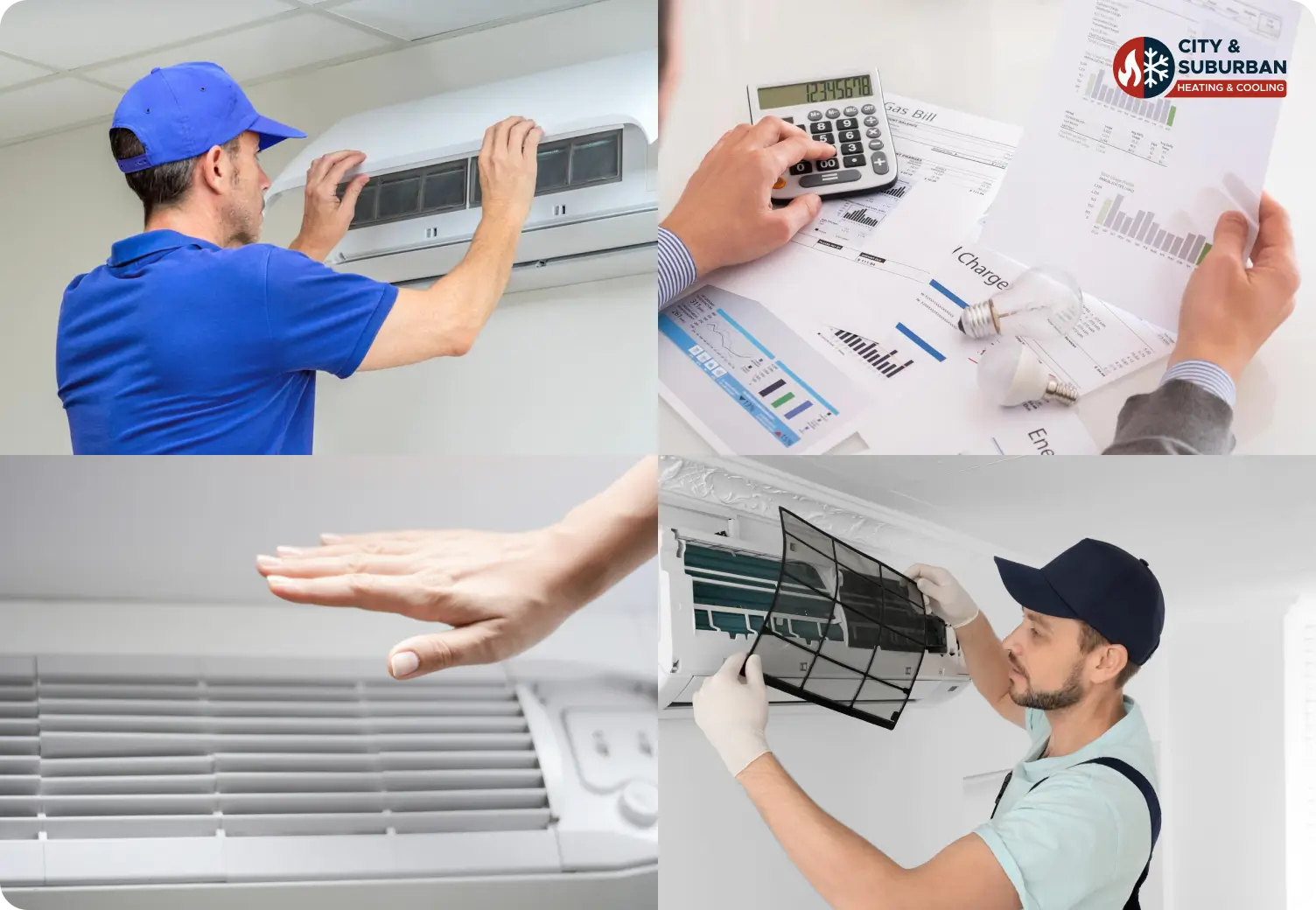
If your air conditioning system is 10 to 15 years old, it could be time for AC replacement. As your unit ages, the efficiency decreases, and the likelihood of breakdown increases. If repairs are needed frequently, replacing your AC can be more cost-effective than constant maintenance. - Frequent Repairs
If you’re calling for AC repair in Chicago multiple times each year, it’s a red flag. Frequent breakdowns, especially for older systems, indicate that AC replacement may be the most cost-effective solution. - Rising Energy Bills
A sudden increase in your energy bills could be a sign that your unit is no longer operating efficiently. Older systems consume more energy, which is why upgrading to a newer, more efficient model could lower your energy costs. - Inconsistent Cooling
Are some rooms colder than others? If your AC isn’t cooling your home evenly, it could be time to consider an air conditioning unit replacement. This uneven cooling can be caused by an inefficient system or a failing compressor.
Typical Replacement Costs for Air Conditioning Units in Chicago
Replacing your AC unit in Chicago is a significant investment, but the right replacement can improve your home’s comfort and energy efficiency. Here’s an overview of typical air conditioning unit replacement costs:
| Factor | Description | Estimated Cost Impact |
|---|---|---|
| Size of Your Home | Larger homes need more powerful units, which leads to higher costs. | Larger units or more complex installations cost more. |
| Type of System | Central AC systems cost more than ductless mini-split systems or window units. Central systems are better for large homes. | Central systems cost more upfront; ductless systems may be cheaper. |
| Energy Efficiency Rating | Higher SEER (Seasonal Energy Efficiency Ratio) units save on energy but may have higher upfront costs. | Higher upfront cost, but better long-term savings on energy bills. |
| Installation Complexity | If additional ductwork or new thermostats are needed, costs will rise. | Labor and material costs for complex installations add up. |
Practical Tips for Extending Your AC’s Life
To delay the need for AC replacement, regular maintenance is crucial. Here are some tips:
- Annual Maintenance: Schedule yearly inspections to keep your unit running smoothly and avoid costly repairs.
- Change Air Filters: Dirty filters can cause the system to work harder, reducing its lifespan.
- Seal Leaks: Ensure windows and doors are sealed correctly to prevent cool air from escaping.
- Install a Smart Thermostat: A programmable thermostat can help optimize the use of your air conditioner, saving you money on energy bills.
Conclusion: Don’t Wait—Get Your AC Replaced Today
Knowing when to replace your AC unit is essential for keeping your home comfortable and energy-efficient, especially in Chicago’s hot summers. If your system is aging, requiring constant repairs, or consuming too much energy, replacing it might be your best option. To avoid costly repairs and ensure a comfortable home, consider scheduling an inspection with an HVAC professional.
Ready to replace your AC unit? Contact a local expert for an inspection or get a free quote today.