
 Chicago local
 Family owned
 Since 1952
When two heat sources need coordination
Hybrid heating problems start with the changeover
A dual-fuel complaint involves a heat source or the controls linking both. Record outdoor temperature, thermostat messages, and changeover timing before a visit. Those details help distinguish a control setting from an equipment fault.
Pricing
Hybrid heating cost depends on the complete pairing
Cost follows the complete pairing: retained equipment, new components, controls, airflow, and electrical work. City & Suburban provides upfront pricing with no hidden fees. Compare proposals listing the same equipment and installation scope.
How City & Suburban prices every job
- 1 Diagnosis firstA technician finds the cause before anything is quoted.
- 2 Written price before any workThe exact price, in writing, for approval.
- 3 No hidden feesThe approved price is the price.
- 4 Repair first where repair is rightReplacement only when the evidence supports it.

Financing available
Wells Fargo Home Projects credit card, subject to credit approval.
Retain, repair, or replace
A useful gas furnace can still have a role
Retention depends on condition, service history, and pairing compatibility, not age alone. Typical service-life ranges are planning guides, not replacement deadlines. The thermal balance point is where heat pump output meets heat loss. The economic balance point compares operating costs. City & Suburban repairs all makes and models and installs American Standard equipment. Furnace-only faults belong with heater repair.
Equipment performance and operating priorities determine the control changeover. There is no single Chicago balance point for every home.
Choose a pairing that fits the home
Hybrid heating combines equipment and a control strategy
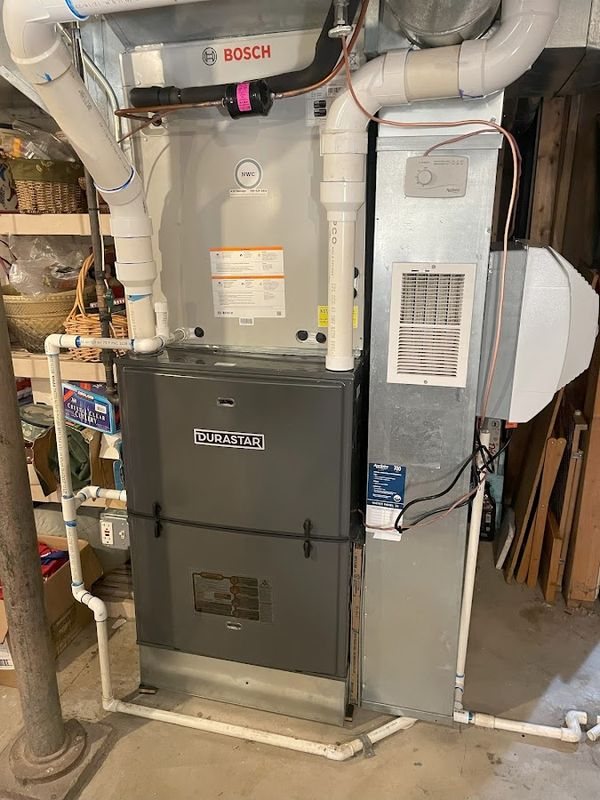
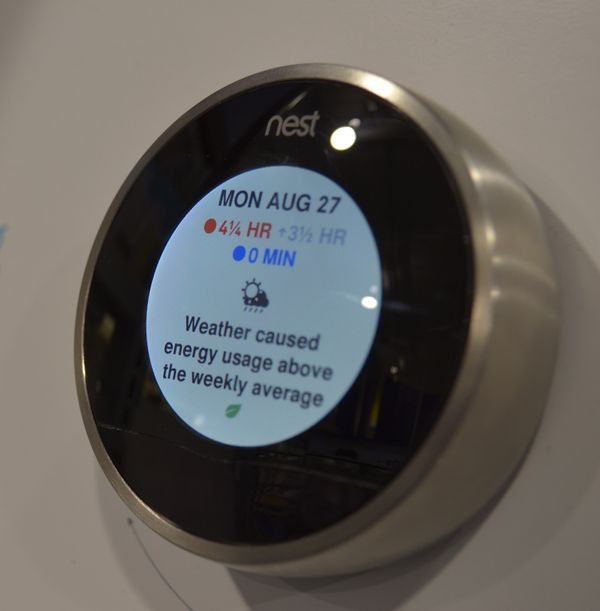
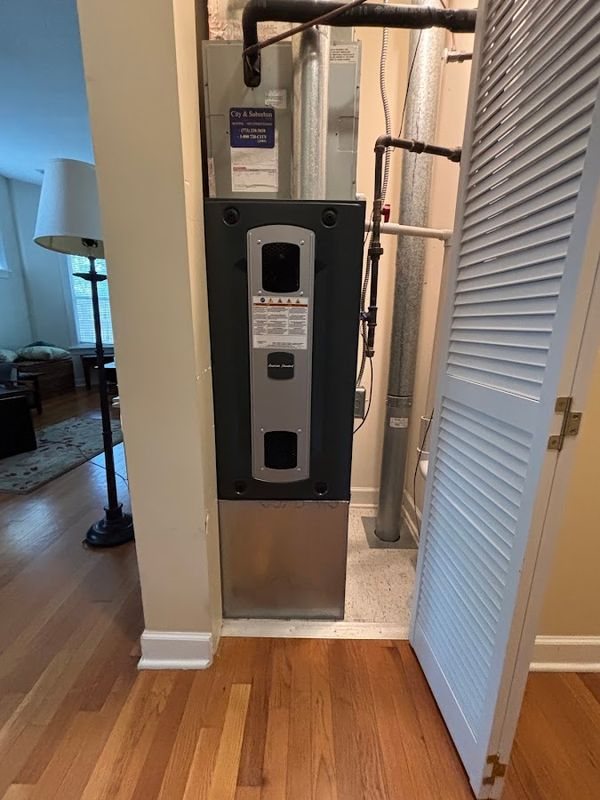
American Standard equipment installed by City & Suburban

Equipment selection includes both heat sources
City & Suburban installs American Standard equipment. Compare the named heat pump, furnace, indoor pairing, thermostat, and changeover strategy in a hybrid proposal. Replacing cooling equipment beside a sound gas furnace creates an opportunity to consider dual fuel. Compatibility and airflow decide the scope; compare heater installation options before selecting equipment.
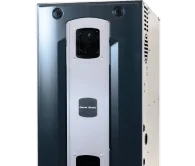 Gas furnaces
Standard and high-efficiency
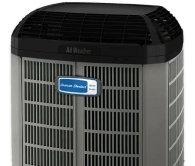 Heat pumps
Including cold-climate models
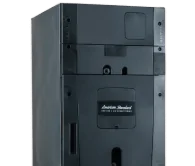 Air handlers
For heat pump systems
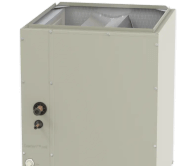 Evaporator coils
Matched to the outdoor unit
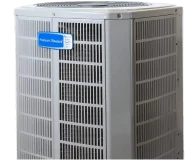 Air conditioners
Replaced with the furnace or alone
How it works
How a City & Suburban visit works
-
Reach out Call, text or book online.
 1
-
Pick a time Same-day visits when the schedule allows.
 2
-
On-site visit A technician diagnoses the problem.
 3
-
Honest pricing The price, in writing, before any work.
 4
-
Approved work Only the work you approve, then tested.
 5
-
Clear results Findings and next steps explained.
 6
Reviews
Homeowners describe repairs and replacement decisions
These reviews describe furnace service and heating or cooling replacements. The accounts do not establish hybrid installation results or energy savings. Attribution retains each reviewer’s name and review month.
“My furnace went out, so I contacted City and Suburban Heating and Cooling to set up an appointment to get it checked out. Rob, the service tech, showed up on time to help me out. He told me he had to change out one part to get it up and running again, which he did in a very timely manner. And, without breaking the bank. I would highly recommend City and Suburban Heating and Cooling and will use them again in the future.”
“I had used City and Suburban at my previous condo for furnace and a/c repairs so when my furnace stopped working at my new place I knew who to call and what to expect. They answered on the first call and scheduled an appointment that fit my schedule. Gave me a heads up and arrived on time. Rob quickly diagnosed the problem, explained what was needed, went and grabbed the part and had my heat working in no time. Will absolutely use them again when the time comes.”
“Great service all around! Carissa was polite and promptly scheduled my appointment. Rob came over and answered all of my questions thoroughly. The pricing was reasonable, so we decided to replace the AC and Furnace at the same time. We are so happy that we chose to do both at once! We were surprised that it was such a quick process to update everything. My husband and I highly recommend Rob and his team!”
“The whole C&S team have been wonderful both in servicing our original furnace and air conditioning systems and with a full HVAC replacement this spring. They are knowledgeable, clear in their assessments and communication, reliable, courteous and mindful of our budget and needs. Highly recommended!”
“Recently bought a new home and the furnace had been short cycling. Their sticker was on the furnace so I called them to come out and take a look. Turns out parts needed cleaning that stopped the short cycling issue. Furnace is nearing its useful life but not yet! Thanks Rob!”
“I've had two different furnaces repaired by Rob at City and Suburban. He is friendly, trustworthy, and fair. Would recommend!”
City & Suburban work in Chicago
Service areas
Hybrid heating assessments across the service area
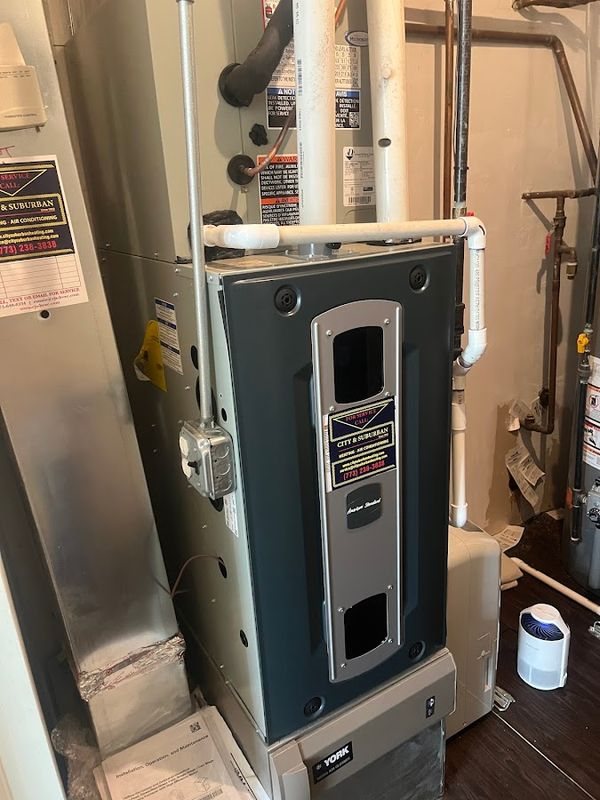
City & Suburban serves 21 areas: 13 Chicago neighborhoods and 8 suburbs. A furnace closet, outdoor equipment location, and access through a shared building can affect the proposed pairing. Confirm the address and building details when arranging a visit through contact.
Chicago neighborhoods
North and northwest suburbs
Confirm coverage through the service areas page before scheduling. Same-day service is available when the schedule allows.
Based in West Town
1225 N Cleaver St, Chicago, IL 60642. Technicians cover the city and the north and northwest suburbs.
Not on the list? Call (773) 238-3838 to check an address outside these 21 areas.
Call City & SuburbanHybrid heating questions for Chicago homes
How does a dual-fuel system choose between the heat pump and the gas furnace in winter?
A hybrid system runs two heat sources from one thermostat. The heat pump carries the house in mild weather, moving heat from outdoor air into the ducts. Once the outdoor temperature falls past a set changeover point, the control hands the house to the gas furnace and the heat pump stops. In a conventional dual-fuel setup the controls lock out the heat pump while the furnace runs; whether any overlap is allowed depends on the matched equipment and the manufacturer's instructions. Electric resistance backup is a different configuration. That handover is set at installation, and both modes should be proved before the crew leaves. From inside the house the change usually shows up as a short pause in airflow.
What is the balance point, and how is it set for a Chicago home?
Two balance points matter. The thermal balance point is the outdoor temperature where heat pump output stops covering the home's heat loss. The economic balance point is where gas becomes the cheaper way to heat. Insulation, window area, duct condition and equipment capacity move the thermal figure. Utility rates move the economic one, so neither is fixed for every Chicago block. The changeover setting on the thermostat is normally placed at whichever of the two arrives first. A poorly chosen setting is a common reason a hybrid install disappoints, because the furnace takes over earlier than the design assumed.
How cold can the heat pump keep heating before the furnace takes over?
There is no single Chicago changeover temperature. A cold-climate heat pump keeps useful output at lower outdoor temperatures than a standard air-source model, so it can often carry the house longer before the furnace takes over. Heat pump capacity falls as the outdoor temperature falls, while the heat loss of the house rises at the same time. Gas and electric rates and the control settings also affect where the handover is set. Where those two lines cross depends on the insulation of the building and the capacity the outdoor unit was sized for. Equipment performance data sets that number for a given house, not a rule of thumb.
Does hybrid heating actually lower a Chicago heating bill?
Sometimes, and the arithmetic is honest either way. Heat pump heating tends to cost least in the shoulder seasons, when outdoor temperatures sit well above the changeover point. Gas rates measured against electric rates decide where the economic crossover falls, and those rates move. Savings then depend on how many heating hours of a Chicago winter sit above that crossover. The case where hybrid does not pay is a house with cheap gas service and a sound, efficient furnace, since the furnace already covers the cold hours at low cost. City & Suburban quotes upfront and puts the exact price in writing, with no hidden fees, so equipment cost stays separate from projected savings.
Can a heat pump be added to a gas furnace that still has years left in it?
Often, yes, if the existing furnace is compatible. A sound gas furnace stays, a heat pump goes in outdoors, and a matched coil sits in the supply plenum. The furnace blower then serves both heat sources. Furnace age, heat exchanger condition, blower capability and the electrical panel all have to be checked before equipment is selected. A furnace near the end of its life makes a poor partner for new outdoor equipment. Compatibility, not the brand badge, decides the pairing: manufacturer-approved matches, blower capability, refrigerant and coil compatibility, and the controls all have to work together. City & Suburban repairs all makes and models, and the written quote should name the proposed pairing. Where the furnace is already failing, compare replacing both at once with two separate projects.
Which Chicago homes suit a hybrid setup, and which homes do not?
The strong candidate is a ducted house with a gas furnace that is due for replacement. A house already replacing the air conditioner also qualifies, because one outdoor unit then cools in summer and heats through the shoulder seasons. Homes heated by steam or hot water without ducts are not candidates until a duct system exists, which is a different project altogether. An undersized electrical service, no outdoor space for the unit, or a cracked heat exchanger has to be settled first. An estimate for dual fuel should name which of those applies before equipment is ordered, not after.
Which thermostat and wiring does hybrid heating need?
Dual-fuel needs a thermostat that knows which heat source is active. It also has to lock the heat pump out below the changeover temperature, which a plain furnace thermostat cannot do. The job needs outdoor temperature sensing, a common wire, and in most homes a dedicated circuit and an outdoor disconnect. Old two-wire thermostat cable in a bungalow or greystone usually has to be replaced on the same visit. Lockout and auxiliary heat staging are set once the control is wired. The system should then run in heat pump mode and in furnace mode, so the logic is proved before the crew leaves.
Do the ducts need work before a heat pump runs alongside the furnace?
Sometimes, and it is worth knowing before the equipment is ordered. A heat pump delivers air at a lower temperature than a gas furnace. It therefore has to move more air to keep the same rooms comfortable. A duct system sized tightly around a furnace alone can turn drafty or noisy once the heat pump takes over. Return air is the usual bottleneck in bungalows and two-flats, where one central return serves a whole floor. Static pressure and return capacity belong in the estimate, so any duct changes are named and priced before install day. Selling equipment the ducts cannot feed only moves the complaint from the furnace to the heat pump.
What happens during the estimate visit, and what should a homeowner ask before accepting a dual-fuel proposal?
The visit should start with the building, not an equipment list. An estimate for dual fuel should measure existing furnace capacity and check duct size, return air, the electrical panel and the outdoor space. Five questions then separate a real proposal from a brochure. Which heat pump and furnace are paired, and what changeover temperature is set. Who tests both modes, whether duct and electrical work are priced separately, and who handles the permit. Options should name the tradeoffs, including staying with a furnace alone where hybrid does not pay. City & Suburban quotes upfront and puts the exact price in writing before any work begins, with no hidden fees.
What decides the price of a hybrid heating installation?
Scope decides it, not a list rate. The movers are whether the furnace is replaced or kept, and the capacity of the outdoor unit. The coil and line set, electrical work, and any changes to ducts or venting count too. Access matters as well, since a condo, a walk-up or a roof location is harder to work in. A two-day schedule is common when furnace, coil, outdoor unit and thermostat all change together. Disposal and permit fees add to the total. City & Suburban quotes upfront and puts the exact price in writing before work starts, with no hidden fees. Financing through Wells Fargo Home Projects is available, subject to credit approval.
Are there rebates or credits for adding a heat pump in Chicago?
Programs exist and change often, so each one is worth checking before equipment is ordered. The federal 25C home-improvement tax credit does not apply to equipment installed in 2026, because the IRS limits eligibility to improvements made through 2025. ComEd and the home's gas utility may offer efficiency programs; each sets its own equipment requirements, dates and application rules, so current availability should be confirmed with the utility. Eligibility turns on the rated efficiency of the exact models installed, which is why a proposal has to name the pairing. Which programs apply should be checked against the selected equipment before it is ordered. City & Suburban quotes upfront with no hidden fees, so any credit or rebate stays separate from the installed price.
Does a dual-fuel conversion need a City of Chicago permit?
Equipment replacement in Chicago generally involves a City permit, but the written quote should spell out which permits apply. The scope can include mechanical work for the furnace and heat pump and electrical work for a new circuit and disconnect; whether those are separate filings depends on the scope and current City rules, so confirm with the City. In the suburbs, the local village or city building department sets its own requirements. The practical questions are which permits are needed, who files them, how much time the filing adds, and whether the fees sit inside the quote. A permit also leaves a record of the work for a future sale or appraisal.
Is a hybrid system safe to run through a Chicago deep freeze?
The gas half carries the same obligations as any furnace: clean combustion, sound venting and an intact heat exchanger. Illinois requires carbon monoxide alarms in homes with fuel-burning equipment under the Carbon Monoxide Alarm Detector Act. That applies to a hybrid install exactly as it does to a furnace. The failure specific to dual-fuel is quieter. If the changeover never fires, the heat pump keeps running below the temperature it can serve and the house drifts cold. A heating service on a dual-fuel system should cover combustion, flame sensing and the switchover logic. City & Suburban repairs all makes and models, so both halves of a mixed-brand pairing can be serviced.
What counts as an emergency, and how quickly can a technician get there?
The symptom decides. For a gas smell, smoke, a burning odor or a carbon monoxide alarm, everyone should leave the building and call 911, or the gas utility for a gas smell, from outside, without touching the equipment. Cooler vent air on heat pump heat is normal, and a short cool stretch near freezing is often a defrost cycle. No heat in a hard freeze is an urgent call, as is a breaker that trips on the outdoor unit or a furnace locking out on repeated ignition attempts. City & Suburban runs emergency HVAC service every day till midnight, except Sundays. Same-day service is offered when the schedule allows, across 13 Chicago neighborhoods and 8 suburbs. Maintenance plan members get priority dispatch.
Does hybrid heating keep a Chicago rental unit within the Heat Ordinance?
Where the landlord supplies the heat, the Heat Ordinance sets minimum indoor temperatures from September 15 to June 1. The rule is at least 68 degrees from 8:30 a.m. to 10:30 p.m. each day. The overnight minimum is 66 degrees, from 10:30 p.m. to 8:30 a.m. (Chicago Municipal Code 13-196-410). The code lists exceptions, so it stands as the general rule. A dual-fuel system can meet that standard the way a furnace does, because the gas side carries the coldest hours. The changeover setting is what matters, since a heat pump asked to work below its range falls behind. On a rental building that setting should be chosen with the ordinance duty in mind.
How much maintenance does a dual-fuel system need, and who services both halves?
Two heat sources usually mean two seasonal services, not one. The gas furnace needs burner, flame sensor, condensate and venting checks before winter. The heat pump needs refrigerant charge, coil cleaning and defrost checks, and it now works in both seasons rather than only summer. A weak charge is easy to miss and shows up as a higher winter bill, because the system drops onto the furnace earlier than planned. City & Suburban repairs all makes and models, so one company can cover a furnace and a heat pump of different brands. Maintenance plans add seasonal check-ups and priority dispatch for members; other plan terms should be confirmed in writing.
Compare the options around hybrid heating

Start with the furnace, heat pump, and controls
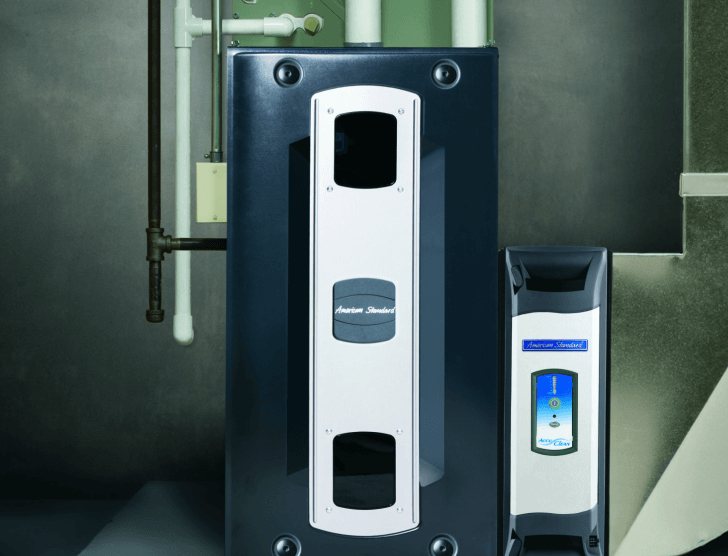
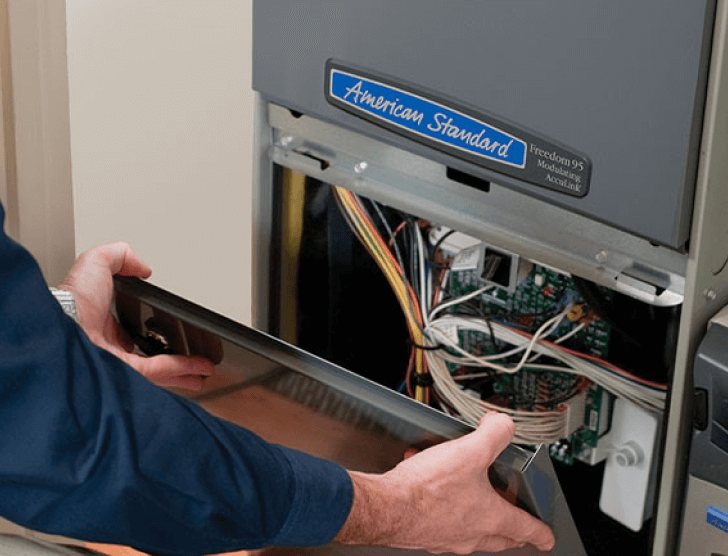
City & Suburban can be contacted about hybrid heating options and existing equipment concerns. Upfront pricing and equipment compatibility belong in the same conversation.