Chicago heating & cooling library
Chicago housing stock
Cook County Assessor data for the eight townships covering Chicago records 439,398 assessed properties: 305,736 single-family and 133,662 multi-family. That mix explains why the same service can mean a basement appliance in a bungalow, shared equipment in a two-flat, or roof and association access in a condo building.
335,769 properties use warm-air furnaces and 98,849 use hot-water or steam heat. 306,261 have no central A/C, compared with 133,080 that do. 324,305 have full basements, which often provide equipment access but also concentrate shared flues, old piping, low ceilings and decades of alterations.
Age changes the job before brand does. West Chicago township, covering Wicker Park and West Town, is 83.0% pre-1940. Jefferson township, the bungalow belt, is the largest at 112,923 properties with a median year built of 1927. A useful estimate therefore records the building type, access, distribution and existing services instead of pricing from appliance size alone.
What actually needs a permit
Chicago issued 62,810 permits of all types in the 24 months to August 2026. 4,888 mention HVAC work, about 204 a month, while 7,993 permits carry a ventilation, refrigeration or heating trade contractor contact.
Equipment replacement and material system alterations generally need permits. Repair, diagnosis, maintenance and refrigerant service generally do not. A permit search therefore measures construction work that entered the public file, not the number of homes a contractor has diagnosed, repaired or maintained.
1,539 firms pulled a Chicago HVAC trade permit in those 24 months. Those citywide counts help explain demand, vocabulary and inspection scope; they are never represented as City & Suburban's record. The company itself has zero matched permits after all 15 contractor contact fields were searched from 2006 through August 2026.
Ask every replacement proposal to name the permit holder, included inspections and work that sits with another trade. For repairs, ask for the failed component and test result. Those questions are more useful than a permit-count boast.
Where we work
This workbook publishes Chicago only, with one shared area row so the content cannot accidentally generate neighbourhood-specific claims or duplicate Lincoln Park pages.
The website describes near north and northwest suburban service, but municipal registrations are not verified in the source pack. No suburb should be added to a live coverage map until a current registration and its expiration date are documented.
Within Chicago, access and building rules still vary. Condo associations may control roof access, façade penetrations, shutoffs and working hours; rentals may require owner approval; two-flats can share flues and utilities. Those are scheduling and scope questions, not reasons to invent separate service-area facts.
Fixed heater or portable appliance?
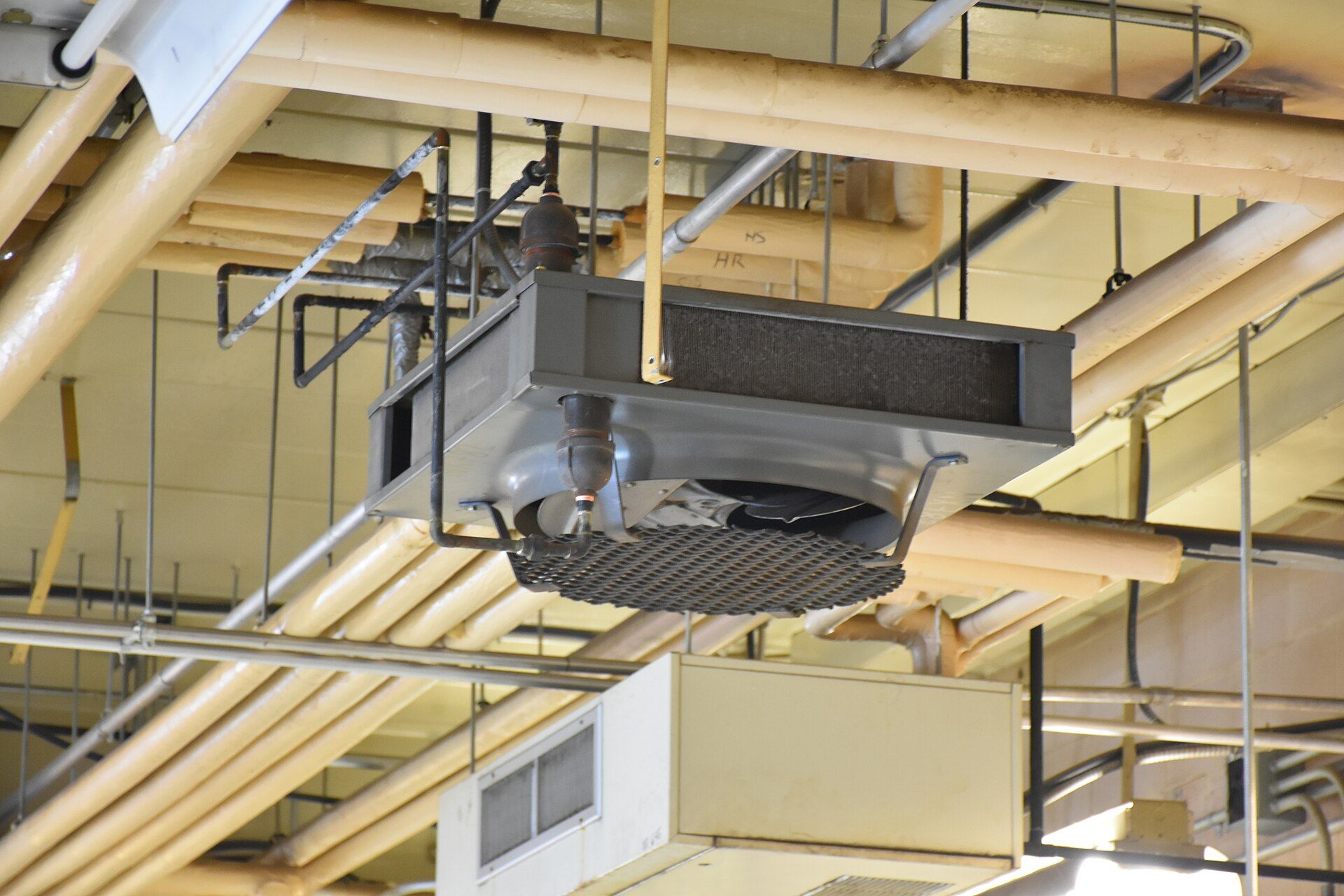
A fixed wall, floor, garage, or hydronic unit heater is part of the building system. A plug-in portable heater is a consumer appliance and normally should be replaced, not repaired.
Chicago logged 42 unit or space-heater permits in 24 months, but only two structured unit-heater swaps. That is too small a sample for a credible price benchmark.
Send the model plate, vent, and control photos first. That avoids dispatching the wrong trade.
For a fixed gas appliance, the written closeout should identify the safety controls tested, combustion or draught findings, operating temperature and any vent defect. For an electric unit, it should identify supply voltage, current draw and failed control or element.