

 Chicago local
 Family owned
 Since 1952
Service types
Duct Maintenance Work We Handle
Common duct maintenance jobs City & Suburban handles for Chicago homes and businesses.
Final recommendations follow the installed conditions, equipment instructions and applicable Chicago requirements.
Start with the symptom
What needs attention in the air path?
Dusty registers and weak room airflow can point to different maintenance needs. Record where the issue appears, whether it affects heating and cooling, and when it started before you look for an air duct inspection near me. The cards below distinguish safe surface checks from work that needs a technician. Cleaning should follow an identified need.
Pricing
Duct maintenance pricing starts with the scope
City & Suburban offers upfront pricing with no hidden fees. The service-call offer in the pricing section excludes duct cleaning. Before approving work, distinguish an inspection from cleaning and ask which accessible areas, registers and air paths the quote covers. A cleaning quote should describe the work and access needs, rather than leave the homeowner guessing what is included.
How City & Suburban prices every job
- 1 Diagnosis firstA technician finds the cause before anything is quoted.
- 2 Written price before any workThe exact price, in writing, for approval.
- 3 No hidden feesThe approved price is the price.
- 4 Repair first where repair is rightReplacement only when the evidence supports it.

Financing available
Wells Fargo Home Projects credit card, subject to credit approval.
Open 24 hours, 7 days a week
24/7 service, whatever the size of the job
A small fix or a full breakdown, City & Suburban answers around the clock, every day of the week. Call any time, day or night, and describe the problem.
- Big jobs and small jobs
- Day, night and weekends
- One number: (773) 238-3838
Care or corrective work
When maintenance is enough
Maintenance is a reasonable starting point for surface dust, a neglected filter or an obstructed register when the air path remains intact. Cleaning cannot reconnect a loose section, restore crushed ductwork or close a leak. Persistent room imbalance after basic care is a good reason to look for an air duct inspection near me. City & Suburban provides upfront pricing so the homeowner can consider the scope before authorizing work. See duct repair for damaged air paths.
Equipment types
Follow the air path without confusing the service
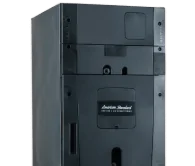
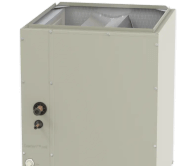



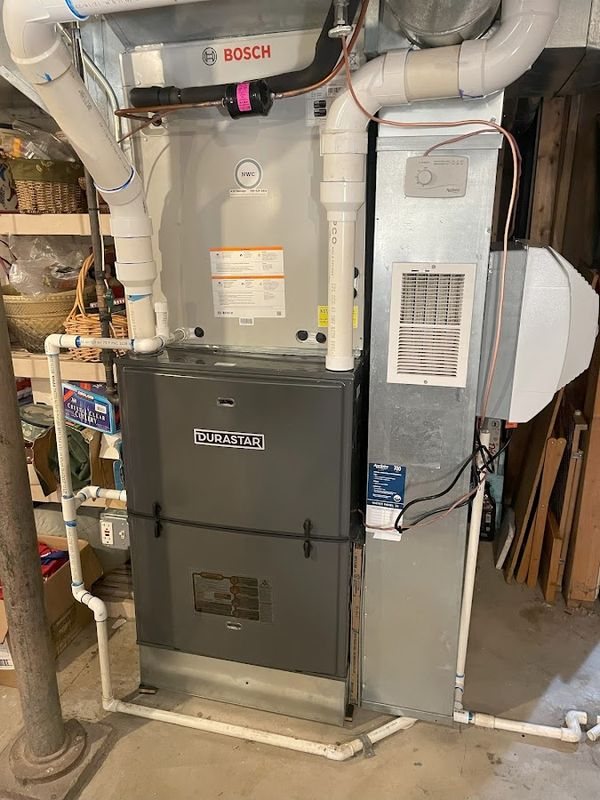
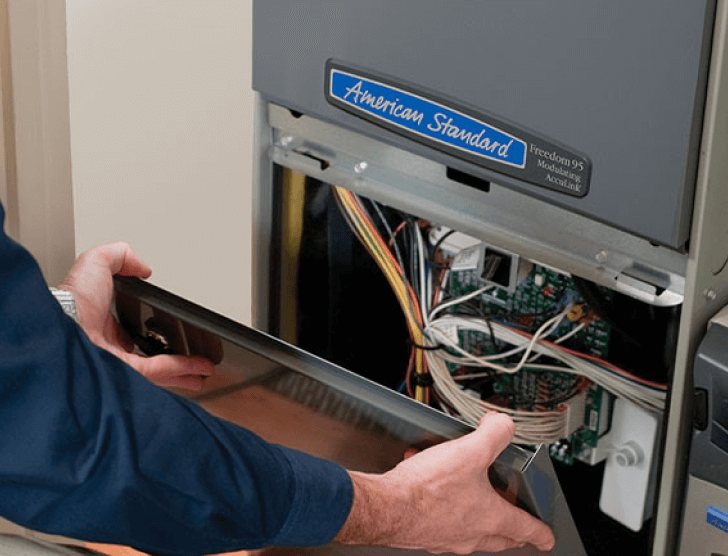
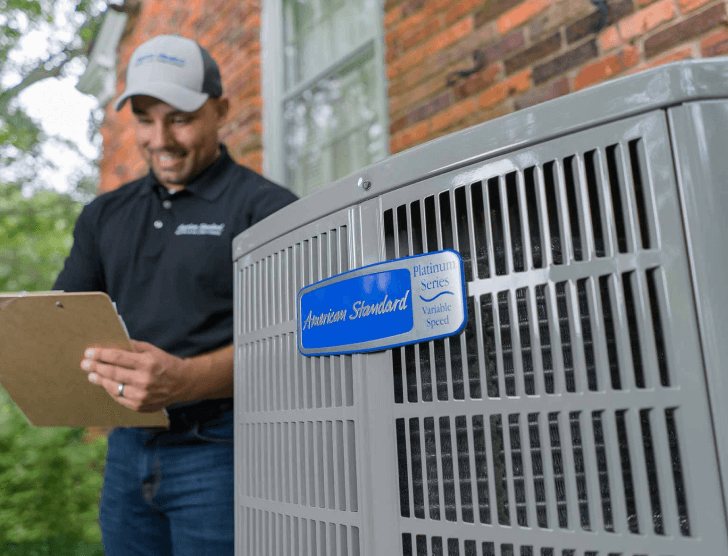
American Standard equipment

Accessible air paths and the maintenance decision
An inspection establishes the condition of accessible air paths and whether visible buildup warrants cleaning. Finished ceilings, tight connections and shared building spaces can limit access. The proposed scope should separate surface care from deeper cleaning and corrective work. Findings and access needs belong in the discussion before work is approved.
How it works
How a City & Suburban visit works
-
Reach out Call, text or book online.
 1
-
Pick a time Same-day visits when the schedule allows.
 2
-
On-site visit A technician diagnoses the problem.
 3
-
Honest pricing The price, in writing, before any work.
 4
-
Approved work Only the work you approve, then tested.
 5
-
Clear results Findings and next steps explained.
 6
Reviews
Homeowners describe maintenance and communication
Homeowners describe routine maintenance, repair decisions and clear communication in these Google reviews. City & Suburban has a 4.98 average across 204 Google reviews and has been family-owned since 1952.
“I have recommended this company to every homeowner I know in Chicago! Rob is efficient and professional with semi-annual routine maintenance visits and he is there in a jiffy when something breaks. My 22 year-old HVAC keeps on keeping on under Rob’s care!”
“Rob is awesome! We had a furnace issue, not only was he able to diagnose it a quick fashion, but made the repair without breaking our bank. As a result, we’ve hired him to handle our maintenance on both of the units, hire this company wonderful people!”
“Clear communication, reasonable rates, kindness, dependability, and quality workmanship. When it comes to repairs on major appliances, feeling like you’re in good hands can be pretty elusive these days. But consider this customer completely won over.”
“Been using Rob at City & Suburban for a few years now. Always professional, responds and comes out to my home quickly, fixes the issue, and charges a reasonable price for his services. Highly recommend for heating and A/C repair and maintenance.”
“Can’t say enough great things about Rob. We have been using him for years and he has always been quick to respond, friendly fair with pricing and alway honest about giving us recommendations to consider.”
“Rob is great. Very responsive communication and easy to work with. He can actually make repairs and not just replace everything. Great Value!!!”
City & Suburban work in Chicago
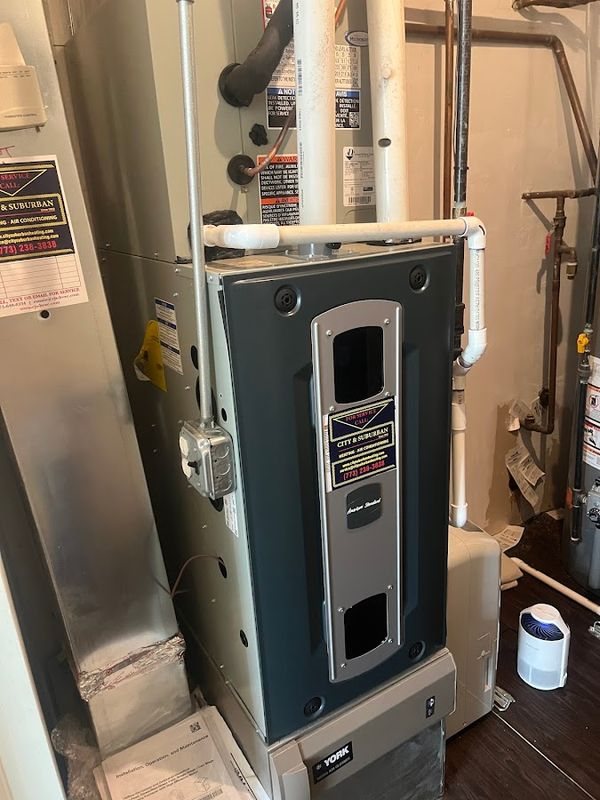
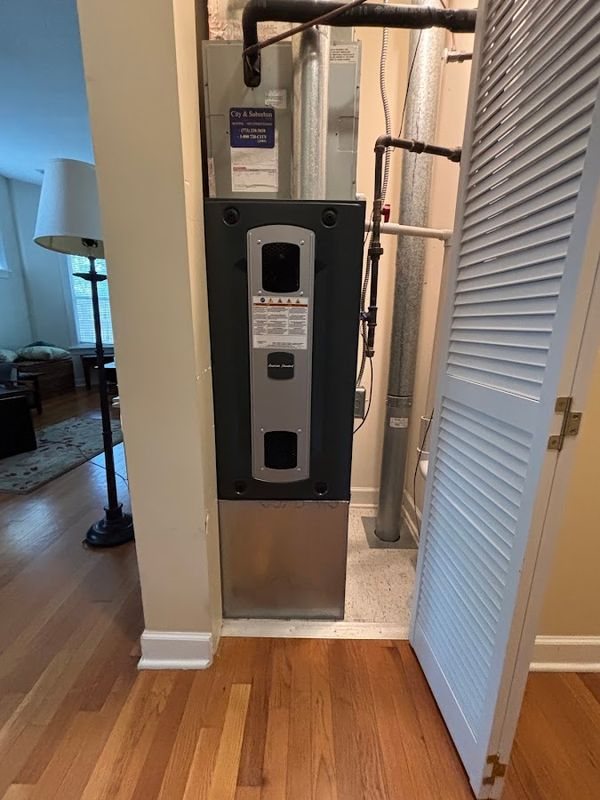
Service areas
Duct maintenance across Chicago and nearby suburbs
City & Suburban serves 21 areas: 13 Chicago neighborhoods and eight suburbs. A bungalow, condo or small multi-family home can have different duct access. Provide the address, home type and affected rooms when booking. Mention shared equipment or restricted building access.
Chicago neighborhoods
North and northwest suburbs
Confirm the address and building access when booking. Same-day service is available when the schedule allows.
Based in West Town
1225 N Cleaver St, Chicago, IL 60642. Technicians cover the city and the north and northwest suburbs.
Not on the list? Call (773) 238-3838 to check an address outside these 21 areas.
Call City & SuburbanDuct maintenance questions
Is duct cleaning worth paying for, or is it mostly marketing?
Evidence decides it, not a schedule. Visible debris in the trunks, heavy lint at registers, dust blowing from vents at startup, or a filter loading in weeks all point to cleaning. Cleaning removes the debris an inspection found, and how much difference a household notices depends on how much was there and on filtration and return sealing. Where duct interiors are clean, or the real fault is leakage, filtration and sealing are the better spend. The inspection findings, not a coupon, should set the scope.
What happens on a duct maintenance visit, and how long does it take?
A thorough duct maintenance visit should start at the filter and blower compartment, then follow the accessible supply and return runs. A good assessment removes registers and grilles where needed, checks airflow at the equipment, and notes loose joints, crushed flex, closed dampers and blocked returns. Visit length depends on the number of runs, access and finished ceilings, so ask for an estimate when booking. City & Suburban diagnoses before any quote and gives an upfront written price before work, with no hidden fees. Ask which runs the inspection covers and whether cleaning would be quoted separately.
How often do ducts need inspecting, and should it be booked with a furnace or AC tune-up?
A seasonal tune-up already reaches the filter, blower and nearest returns. Pairing a duct inspection with a heating tune-up in fall or an AC tune-up in spring keeps it to one trip. When a closer survey of the runs makes sense depends on condition, not a fixed interval. Triggers include a remodel, signs of rodents, dust returning soon after a filter change, or a building with no service records. Finished ceilings limit what any inspection can reach, and an inspection is not a full cleaning. City & Suburban maintenance plan members get priority dispatch.
What decides the price of duct maintenance work?
Scope and access decide most of it. The count of supply and return runs matters, and so does the share hidden behind finished ceilings. Tight basement or crawl space connections and the filter type add time. Inspection, register and blower cleaning, and full mechanical cleaning are three different jobs. City & Suburban puts the price in writing before work starts, with no hidden fees. The service-call offer in the pricing section excludes duct cleaning.
What should a duct cleaning quote in Chicago include before it is accepted?
A written scope settles most of the risk. It should list which runs are covered and the count of supply and return registers. It should also state whether access work is included, and what the inspection found before cleaning was added. Chemical fogging and whole-house coupon pricing quoted without an inspection are both warning signs. A good quote also separates cleaning from any repair finding, such as a loose joint or crushed run. City & Suburban puts the price in writing before work starts, with no hidden fees.
Why does one room stay cold while the next one overheats?
Air distribution usually explains it, not the heating equipment. A long branch to a back bedroom can starve one room. So can a crushed flex run, a damper left closed, or a sofa parked over a return. Balancing comes before any talk of new equipment: airflow measured room by room, dampers reset, returns cleared, registers adjusted. Where the imbalance survives balancing, leakage or an undersized run is the usual cause, which is duct repair work. City & Suburban diagnoses before quoting, so the cause is found before any repair is priced.
Which filter suits the system, and how often does it need changing?
Fit and rating both decide this. A filter too restrictive for the blower cuts airflow, which can freeze a coil in July and overheat a furnace in January. A filter that rattles loose in its track lets dust bypass it entirely. Filter rating has to match the airflow the system actually has, and the filter has to seal in its track. One-inch filters often need replacing every one to three months, and four-inch media filters often run six to twelve, depending on dust, pets, runtime and the equipment instructions.
What signals that cleaning is not enough and the ducts need repair?
Symptoms that survive a fresh filter and open registers point at the duct itself. The common signals are whistling or booming at startup and a dusty smell that returns within days of a cleaning. Others are rooms that never reach temperature, visible gaps or hanging tape at joints, and a crawl space that feels oddly conditioned. An inspection separates those from debris, because sealing, reconnecting or resizing a run is duct repair rather than maintenance.
Can duct maintenance cut down dust and allergy symptoms in the home?
The mechanism decides. Dust that reappears within days usually arrives through leaky returns, not off the duct walls. Those returns pull air from a basement, crawl space or wall cavity. Return integrity and filter sealing come first: a sealed return and the right filter beat cleaning alone. Mold odor, vermin evidence or post-renovation debris can make cleaning worthwhile, once the source is addressed. With no clear source, an indoor air quality assessment looks at humidity and ventilation.
Is duct cleaning safe for the system, and what goes wrong with the wrong method?
Done properly it is routine work. Done with a shop vacuum and a stiff brush, it tears flex duct liner, pulls joints apart and drives debris deeper into the branches. Fogging chemicals into supply runs leaves coatings in the air a household breathes. Proper work contains the debris, protects the blower and coil, and seals leaks instead of spraying. Fiberglass duct board and brittle old flex need light handling or replacement. Before approving the work, ask how debris will be contained and which tools suit the duct material.
What should happen when old wrap or tape turns up on a duct trunk in a 1920s house?
Gravity-furnace conversions often show oversized trunks feeding undersized branches, with wrap or tape of unknown material at the joints. The rule there is to stop: leave the suspect wrap undisturbed and have the material tested before any cleaning, brushing or sealing touches it. Aggressive cleaning is the wrong call on a duct run like that, because agitation puts whatever the wrap is made of into the air the household breathes. Older wraps can contain asbestos, so testing by a qualified lab comes before any duct work.
When should a duct problem be treated as urgent instead of routine?
If a carbon monoxide alarm sounds, or there is a gas smell, smoke, or an exhaust or burning odor, leave the building first and call 911 from outside, or the gas utility for a gas smell. Do not stop to check vents or equipment. Soot marks around registers, a sewer odor from the vents and a return duct left open near a gas appliance also should not wait, because each can pull combustion air into living space. Illinois regulates home alarms through the Carbon Monoxide Alarm Detector Act. City & Suburban offers emergency HVAC service every day till midnight, except Sundays.
Does duct work in Chicago need a permit, or is maintenance exempt?
Inspection, cleaning, filter changes and balancing are generally treated as maintenance rather than permit work; confirm with the City for a specific job. A City of Chicago permit attaches to equipment and alteration jobs instead, such as replacing a furnace or altering a duct system as part of an installation. Chicago permit records for the 24 months to August 2026 include 81 single-scope furnace replacement permits. Where maintenance turns into reconnecting or resizing runs, the written quote should say whether a permit applies.
Do rented units and condos need duct maintenance handled differently?
The heat obligation changes the urgency. Where a landlord supplies the heat, the Chicago Heat Ordinance sets a general minimum of 68 degrees in the daytime (Municipal Code 13-196-410). That standard runs from September 15 to June 1, with 66 degrees overnight. A closed-off return can put a unit under that line while the furnace runs normally. Findings like that belong in writing, so an owner or manager has something to act on. Tenants and condo owners should also confirm who controls the equipment and shared ducts, since access and approval sit with the owner or association.
Which Chicago homes get the most out of duct maintenance?
Four groups benefit most. Homes with duct runs through an unconditioned basement, attic or crawl space come first. Next are homes remodeled since the last tune-up, then homes with pets and forced-air cooling. Last are new owners of a house with no service history. Cook County Assessor records for the eight Chicago townships put the median build year near 1927 for single-family and small multi-family homes. Many systems here are therefore later retrofits.
What proof is there that City & Suburban handles maintenance work well?
The record is public and checkable. City & Suburban has been family-owned since 1952 and is run by Rob, the second generation of the founding family. The company holds an A+ rating with the BBB and averages 4.98 across 204 Google reviews, plus 4.9 from 251 reviews on Yelp. Technicians are NATE-certified, pricing is upfront with no hidden fees, and a diagnosis comes before any quote. Reviewers describe semi-annual maintenance visits and clear communication, and the full Google and Yelp reviews can be read before booking.
Care for the ducts and the connected system


Start with the rooms that need attention
Contact City & Suburban to discuss duct maintenance in Chicago. Book a maintenance visit and ask about the scope before approving cleaning.