
 Chicago local
 Family owned
 Since 1952
Service types
Commercial HVAC System Replacement Work We Handle
Common commercial hvac system replacement jobs City & Suburban handles for Chicago homes and businesses.
Final recommendations follow the installed conditions, equipment instructions and applicable Chicago requirements.
Replacement signals
What is failing? What can still be repaired?
Repeated breakdowns make replacement worth comparing when interruptions keep returning after repairs. A limited fault may still be repairable. Maintenance records help distinguish an isolated problem from a pattern. City & Suburban diagnoses before quoting and repairs all makes and models. Staff can record symptoms from occupied spaces; qualified personnel should handle roof access and equipment work.
Pricing
What shapes the replacement scope?
Commercial HVAC replacement cost depends on the equipment and the work needed to exchange it in an occupied building. Compare written scopes, including exclusions and permit responsibility. City & Suburban provides upfront pricing with no hidden fees; a permit valuation from public records is not a quote for another building.
How City & Suburban prices every job
- 1 Diagnosis firstA technician finds the cause before anything is quoted.
- 2 Written price before any workThe exact price, in writing, for approval.
- 3 No hidden feesThe approved price is the price.
- 4 Repair first where repair is rightReplacement only when the evidence supports it.

Financing available
Wells Fargo Home Projects credit card, subject to credit approval. Eligibility for business projects must be confirmed.
Open 24 hours, 7 days a week
24/7 service, whatever the size of the job
A small fix or a full breakdown, City & Suburban answers around the clock, every day of the week. Call any time, day or night, and describe the problem.
- Big jobs and small jobs
- Day, night and weekends
- One number: (773) 238-3838
Repair versus replace for businesses
Compare the next repair with a planned replacement
Aging equipment remains a repair candidate when the fault is limited and service remains dependable. Replacement deserves closer review when failures recur, major work is proposed or another unexpected outage would interrupt business. Compare the repair estimate with the replacement scope, parts availability and service history. City & Suburban diagnoses before quoting and puts repair first where repair is right. Equipment age starts the comparison; condition and disruption decide whether another repair offers useful operating time.
Equipment types
Replace the equipment that fits the building
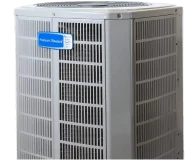
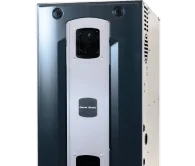
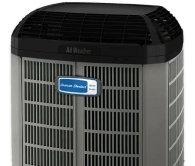
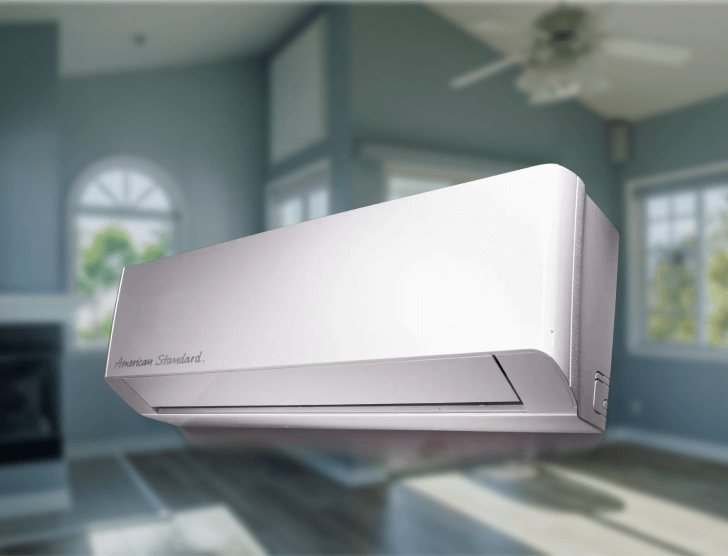
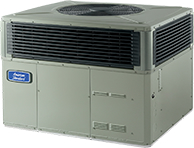
American Standard equipment

Plan the exchange around the business
Before ordering, the replacement scope should confirm curb or pad fit and electrical and gas capacity. It should say whether any retained coil or air handler is compatible with the new equipment. It should name the refrigerant, the rules that apply to it, and who removes and disposes of the old unit. Phased replacement can keep unaffected spaces open while another area closes, if the systems can be separated. Identify the first area affected and when it returns to service. No fixed outage duration fits every building. A tenant should get landlord approval and an access contact before announcing a closure.
How it works
How a City & Suburban visit works
-
Reach out Call, text or book online.
 1
-
Pick a time Same-day visits when the schedule allows.
 2
-
On-site visit A technician diagnoses the problem.
 3
-
Honest pricing The price, in writing, before any work.
 4
-
Approved work Only the work you approve, then tested.
 5
-
Clear results Findings and next steps explained.
 6
Reviews
Replacement decisions in customers' words
These replacement reviews describe customers' HVAC repair and replacement experiences. City & Suburban has been family-owned since 1952, has NATE-certified technicians and averages 4.98 across 204 Google reviews. Each comment supports the specific experience quoted; none establishes a commercial project schedule or a guaranteed outcome.
“He recommended a cost-effective solution and didn't try to charge us for things we didn't need.”
“The install crew was friendly, professional and showed up on time. They get full marks for hauling the equipment up five flights of stairs to the roof! The lead installer was clearly very experienced and kept us informed of their progress throughout the day.”
“Rob came out the next day after me calling and quickly diagnosed the issue and was fully transparent on options and pricing.”
“The whole C&S team have been wonderful both in servicing our original furnace and air conditioning systems and with a full HVAC replacement this spring. They are knowledgeable, clear in their assessments and communication, reliable, courteous and mindful of our budget and needs. Highly recommended!”
“Great experience. I called them for my second opinion. Fast, friendly and efficient service. I was told my unit is near end of life but the prices I was quoted are great and they will definitely be hearing from me again when it's time.”
“City & Suburban has serviced our HVAC system twice, over 5 years apart. Each experience was positive. They addressed our needs, answered our questions, and didn't try to upsell us.”
Service areas
Chicago businesses and nearby suburbs
City & Suburban serves 21 areas across 13 Chicago neighborhoods and eight suburbs. Include the building address and access contact in a replacement inquiry.
Chicago neighborhoods
North and northwest suburbs
Confirm the building address and scheduling availability when requesting service.
Based in West Town
1225 N Cleaver St, Chicago, IL 60642. Technicians cover the city and the north and northwest suburbs.
Not on the list? Call (773) 238-3838 to check an address outside these 21 areas.
Call City & SuburbanCommercial HVAC replacement questions
When has a commercial system in Chicago reached replacement rather than one more repair?
Age, failure pattern and parts availability decide it. Commercial rooftop equipment generally carries 15 to 20 years of service life. After that, efficiency and reliability tend to fall away together. One rule of thumb multiplies the equipment age by the quoted repair cost. A result above $5,000 often points to replacement. That is a rule of thumb, not a City & Suburban price. The failure count across the last two seasons belongs in the comparison as well. A bad compressor or a cracked heat exchanger moves the answer toward replacement faster than a control board does.
How is a second opinion handled when another contractor calls the system finished?
A second opinion starts with a diagnosis rather than a verdict. City & Suburban diagnoses the unit before quoting, and the exact price goes in writing before any work begins. Nothing gets condemned on age alone. A ten-year-old unit with one failed part and a clean refrigerant circuit usually belongs in service. Where replacement is the better value, the reasons should be specific: the failed component, the parts path, and the refrigerant the equipment runs. Todd F. wrote in May 2026: “I called them for my second opinion. Fast, friendly and efficient service.”
What decides the price of a commercial replacement, and when is the figure fixed?
Tonnage and the number of units carry most of it. Access comes next. A rooftop change-out that needs a crane or a stair haul costs more labor than a ground-level swap. Curb adaptation, gas and electrical capacity, controls and refrigerant line condition all move the number. So do duct transitions, permit scope, and whether the crew works after close. City & Suburban puts the exact price in writing before any work begins. Current offers and financing terms sit in the pricing section of this page, because those change.
What does the assessment visit on a commercial replacement involve?
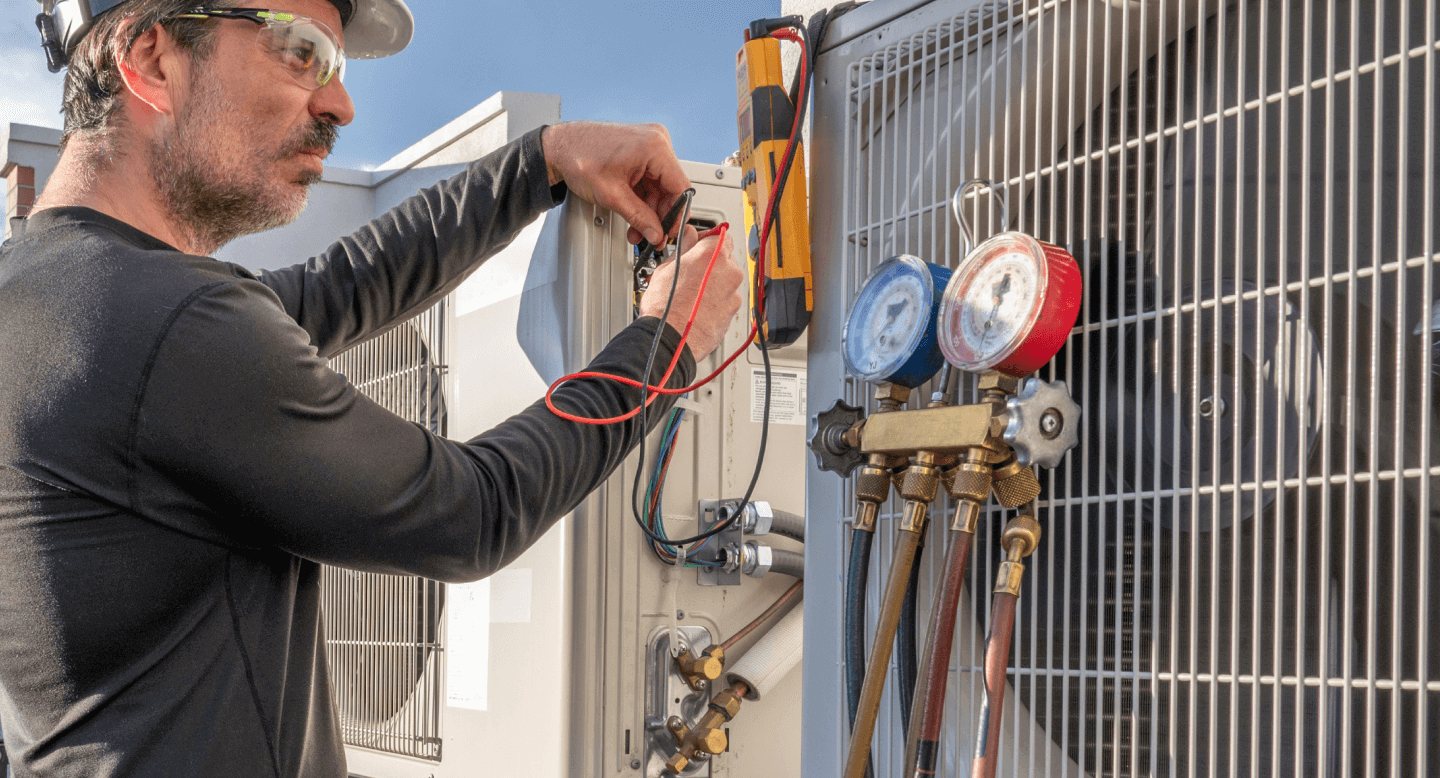
A replacement assessment should begin at the existing equipment and the building it serves, not at a catalog. Nameplate data, the condition of the gas and electrical connections, condensate routing, and the load the space actually carries all belong in that review. Equipment that was wrong for the space in 2005 should not be copied in 2026. City & Suburban sends NATE-certified technicians, diagnoses before quoting, and puts the exact price in writing before any work begins. Repairs cover all makes and models, so repair and replacement both stay on the table until the diagnosis is in.
How long is a building without conditioning while the equipment is swapped?
No fixed duration fits every building. A single change-out often lands inside one working day, while larger scopes with several pieces of equipment run longer. Access decides much of it. A crane lift or a stair haul adds time that a ground-level swap does not. The outage window should be confirmed in writing before the exchange, so the shutdown is scheduled rather than discovered. Planned temporary heat or cooling belongs in that written scope where a building cannot sit without conditioning. Brendan B. reviewed an install in May 2026; the review does not say the job was commercial. “They got everything done by the late morning and even went above and beyond to install the system while it was raining.”
Can replacement be phased across several units so trading continues?
Yes. On a multi-unit roof, phasing is usually the right call. One unit comes out at a time. Only part of the floor plate loses conditioning on a given day, and the units left in place carry what capacity remains. City & Suburban repairs all makes and models, so the units still awaiting their turn stay serviceable. Those units can sit on a commercial maintenance plan until replacement day. Sequencing follows the building's calendar: kitchens, server rooms and tenant suites get scheduled around their own peak hours.
Does replacing commercial equipment in Chicago need a permit?
Many equipment replacements in Chicago need a City permit, but the answer depends on the scope. Permit records are public. City of Chicago permit filings for the 24 months to August 2026 include 81 single-scope furnace replacement permits, at a median declared value of $6,807. Those are small furnace-scope filings, and commercial scopes sit above that band. Work touching gas piping, roof structure or electrical service draws more review than a like-for-like swap. The permit path belongs in the written scope before a crane gets booked. City & Suburban has been family-owned since 1952.
Which symptoms mean a commercial unit should be shut down, not run another season?
A gas odor or any carbon monoxide reading means leaving the building first and calling 911 or the gas utility from outside. Nobody should restart, open or inspect the equipment in that situation. Soot around the burners belongs in the same group. In buildings with flats above a storefront, the Illinois Carbon Monoxide Alarm Detector Act sets the alarm requirement for those dwelling units. A second group is mechanical: a cracked heat exchanger, repeated breaker trips, scorched contactors and a short-cycling compressor. Equipment in that condition goes off and stays off until a technician has it open. City & Suburban offers same-day service when the schedule allows for failures in that second group.
Which Chicago businesses does replacement suit, and which should wait?
Replacement suits buildings whose units are past 15 years, failing in consecutive seasons, or running a phased-out refrigerant with no parts path. It also suits owners facing a tenant fit-out or a sale, where documented new equipment removes a negotiating point. A two-year-old unit with one failed part is the wrong case. That work belongs with commercial HVAC repair. A building with no system at all needs commercial HVAC installation instead. The full scope sits on the commercial HVAC overview for the building.
What efficiency change should a business expect from new equipment?
The gain depends on where the old equipment sat on the curve. A gas section at 80% AFUE turns much less of each therm into delivered heat than a 96% unit does. Modern compressors also stage or modulate instead of running flat out on every call. Controls matter as much as the box. A change-out that keeps a 1990s thermostat and leaking ducts gives part of the gain straight back. City & Suburban installs American Standard equipment. Utility incentive programs for high-efficiency commercial equipment exist in Chicago and change often, so current terms are worth confirming before the order. Equipment is also a business expense, and depreciation treatment is a question for the building's accountant.
Does the refrigerant change affect a commercial replacement in Chicago?
It often decides the comparison. R-22 is no longer produced. Equipment still running it depends on reclaimed supply. A single large leak can end the repair path on its own. Much new equipment now uses A2L refrigerants, but not all of it does. Where an A2L unit is chosen, line sizing, leak detection and handling rules can differ from the R-410A generation. Which rules apply depends on the equipment category, the refrigerant selected, the current transition rules and the maker's instructions. Reusing an existing line set is a question of condition and compatibility, not a given. A contaminated circuit should not be carried into new equipment.
How does the Chicago Heat Ordinance affect replacement timing in a mixed-use building?
Where the landlord supplies the heat, the Chicago Heat Ordinance sets minimum indoor temperatures from September 15 to June 1. The floor is 68 degrees from 8:30 a.m. to 10:30 p.m., and 66 degrees overnight, under Municipal Code 13-196-410. The code lists exceptions, so it reads as the general rule. A winter change-out in a building with dwelling units therefore has to be sequenced so heat is not off beyond those minimums. In practice that means a single-day exchange, or temporary heat planned in advance. Planning the shutoff sequence first is what keeps the building inside the ordinance.
Does the new equipment have to match the brand coming out?
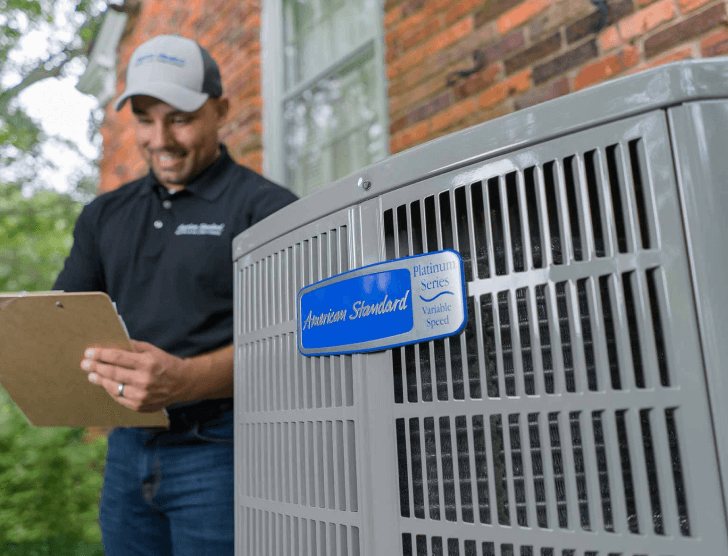
No. City & Suburban installs American Standard equipment on replacements, and matching the outgoing brand is not required. What must match is the application: tonnage, cabinet and curb fit, gas input, electrical service and refrigerant type. Control compatibility with whatever stays in place matters just as much. Where only part of a system changes, the existing air handler or evaporator coil has to pair with the new outdoor section. Otherwise the rated efficiency never shows up in the building. City & Suburban repairs all makes and models, so a mixed-brand building stays serviceable through a staged replacement.
Who performs a commercial replacement, and what documentation can a property manager expect?
City & Suburban has been family-owned since 1952, and Rob, second generation of the founding family, runs the company today. Technicians are NATE-certified. Ask for license and insurance documentation for the vendor file at the start. Crane, rigging and roof-access arrangements belong in the written scope, named before a date is booked, together with the permit path and the agreed outage window. A property manager should also expect the exact price in writing before any work begins.
How is a multi-unit replacement paid for, and what backs the finished work?
City & Suburban prices upfront, with no hidden fees, so the written figure is the figure. City & Suburban also offers Wells Fargo Home Projects financing, subject to credit approval. It is a consumer product, so eligibility for a commercial or multi-unit project must be confirmed first. Scope and payment terms should both be settled before the crew is booked. New equipment usually carries a manufacturer's parts warranty. Terms vary, and some makers require registration after installation for the full term. Labor coverage is a separate term, so its length belongs in the written scope. Joseph F. wrote in April 2026: “They came in under budget and installed the full system way faster than anticipated.”
What track record stands behind City & Suburban on replacement jobs?
City & Suburban has been family-owned since 1952. Rob, second generation of the founding family, runs the company today. The record stands at a 4.98 average across 204 Google reviews, 4.9 from 251 reviews on Yelp, and an A+ rating with the BBB. Technicians are NATE-certified. One review describes a rooftop install; it does not say whether the building was commercial. Christopher A. wrote in June 2025: “The install crew was friendly, professional and showed up on time. They get full marks for hauling the equipment up five flights of stairs to the roof!”
Related commercial HVAC services

Make the replacement decision with a clear scope
Contact City & Suburban through the form above or call (773) 238-3838 to request a replacement assessment. City & Suburban provides the exact price in writing before any work.