
 Chicago local
 Family owned
 Since 1952
Service types
Commercial AC Installation Work We Handle
Common commercial ac installation jobs City & Suburban handles for Chicago homes and businesses.
Final recommendations follow the installed conditions, equipment instructions and applicable Chicago requirements.
Signs it is time
When a commercial AC unit needs replacing, not another patch
Open the card that matches what the building's cooling is doing. Each card lists likely causes, checks to make from the ground, and what a sound commercial AC replacement visit looks at before a new unit is priced. A gas smell at a rooftop unit always comes first.
Pricing
Six things that set the price of commercial air conditioning installation
City & Suburban does not publish a price list for commercial AC installation, because no two roofs, curbs or electrical rooms are alike. These six factors move the number most. The full scope and price go in writing before any work starts, with no hidden fees.
How City & Suburban prices every job
- 1 Diagnosis firstA technician finds the cause before anything is quoted.
- 2 Written price before any workThe exact price, in writing, for approval.
- 3 No hidden feesThe approved price is the price.
- 4 Repair first where repair is rightReplacement only when the evidence supports it.

Financing available
Wells Fargo Home Projects credit card, subject to credit approval.
Open 24 hours, 7 days a week
24/7 service, whatever the size of the job
A small fix or a full breakdown, City & Suburban answers around the clock, every day of the week. Call any time, day or night, and describe the problem.
- Big jobs and small jobs
- Day, night and weekends
- One number: (773) 238-3838
Repair or replace?
When commercial AC replacement beats one more repair
Start with the $5,000 rule: multiply the unit's age by the repair price. A result over 5,000 means a replacement price belongs beside the repair quote. Commercial cooling adds three more tests. A unit on a phased-out refrigerant gets harder and costlier to recharge each year. A failed compressor or a rusted base pan on an old rooftop unit rarely pays back. And every hot afternoon without cooling costs a business sales, staff time or tenant goodwill, which the rule does not count.
Over 5,000, or an old refrigerant: price commercial air conditioning replacement beside the repair.
Equipment types
Commercial cooling systems for Chicago light-commercial buildings
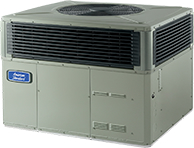
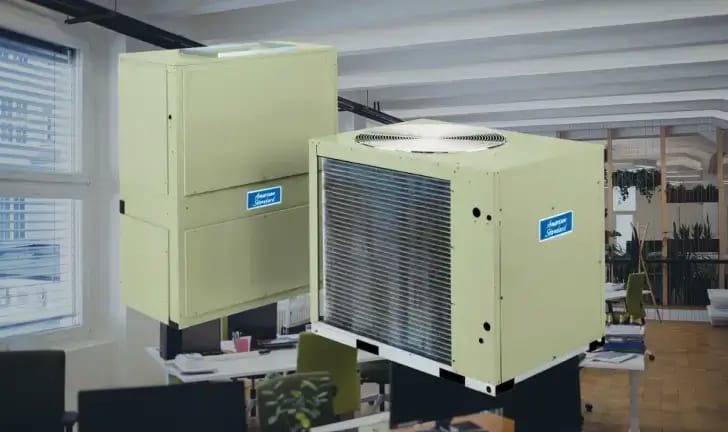
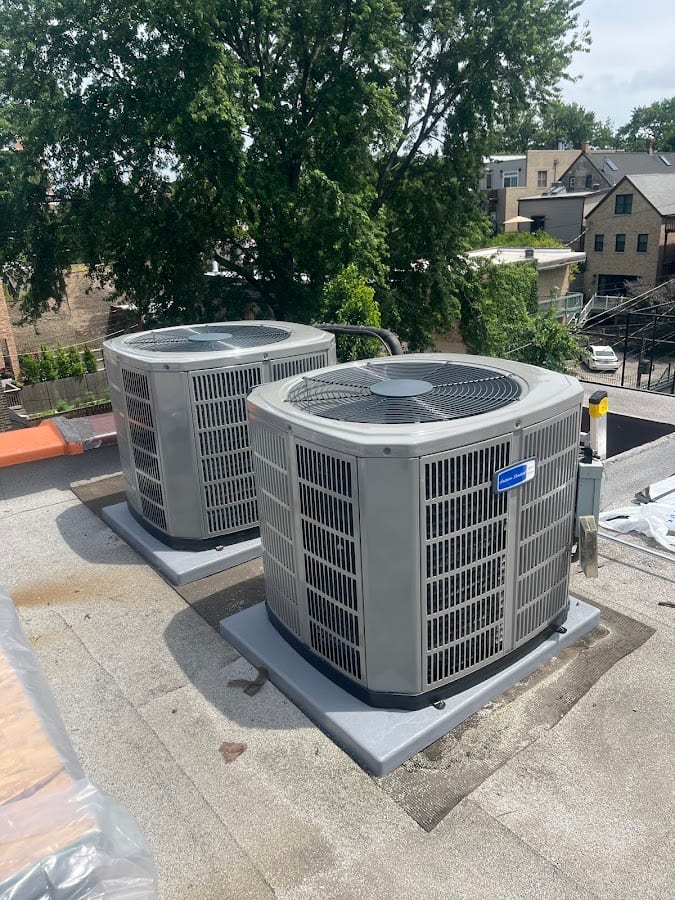
The brand City & Suburban installs

When a new unit is the answer, the equipment City & Suburban installs
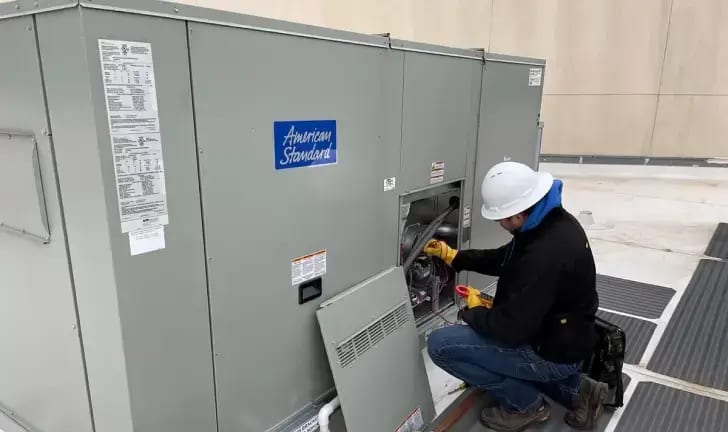
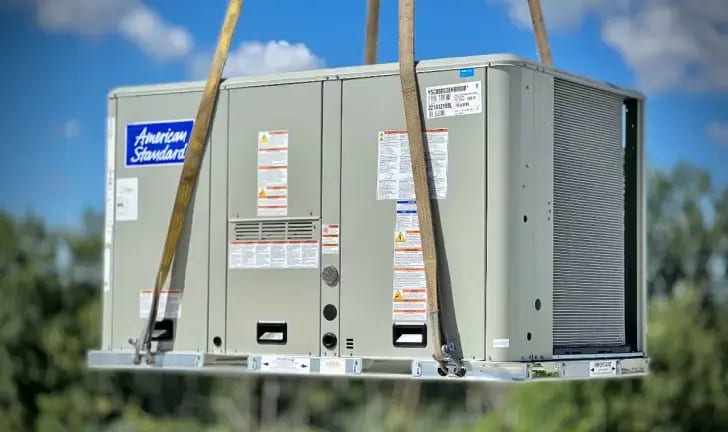
City & Suburban installs American Standard packaged rooftop units and commercial split systems, and repairs all makes. The American Standard lines below are the ones City & Suburban installs. A sound commercial AC unit installation fits the new unit to the load, curb, power and ducts, not only the old nameplate.
 Gas furnaces
Standard and high-efficiency
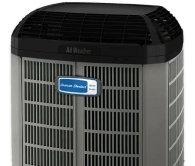 Heat pumps
Including cold-climate models
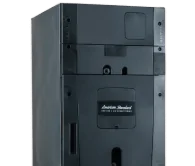 Air handlers
For heat pump systems
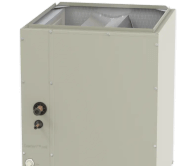 Evaporator coils
Matched to the outdoor unit
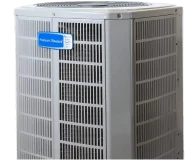 Air conditioners
Replaced with the furnace or alone
How it works
How a City & Suburban visit works
-
Reach out Call, text or book online.
 1
-
Pick a time Same-day visits when the schedule allows.
 2
-
On-site visit A technician diagnoses the problem.
 3
-
Honest pricing The price, in writing, before any work.
 4
-
Approved work Only the work you approve, then tested.
 5
-
Clear results Findings and next steps explained.
 6
Reviews
What customers say about AC replacement and rooftop work
Verbatim from Google reviews of City & Suburban. 4.98 average across 204 reviews.
“They get full marks for hauling the equipment up five flights of stairs to the roof! The lead installer was clearly very experienced and kept us informed of their progress throughout the day.”
“Two other companies would not even quote the job due to the roof location of the compressor. C&S H&C came and provided a quote on very short notice.”
“I immediately got a reasonable and good quote from them and in a matter of days had them install a new AC (on a flat roof) and a heater.”
“I decided on a full replacement due to age/status of the AC unit so Sam and Eddie came out two days later and took care of the entire project quickly.”
“Helped explain how to set my unit up for summer and secured the AC unit to our rooftop better so it wouldn’t move in the wind.”
“And the installers were great too. It was tough hot work, but they got in there and even have it looking nice and clean.”
City & Suburban work in Chicago
Service areas
Commercial AC installation across Chicago and nearby suburbs
City & Suburban serves businesses and buildings in 13 Chicago neighborhoods and 8 north and northwest suburbs. Each area link opens local service details.
Chicago neighborhoods
North and northwest suburbs
Each link opens that area's page on the City & Suburban site.
Based in West Town
1225 N Cleaver St, Chicago, IL 60642. Technicians cover the city and the north and northwest suburbs.
Not on the list? Call (773) 238-3838 to check an address outside these 21 areas.
Call City & SuburbanQuestions owners ask before a commercial AC installation
What does commercial AC installation include for a Chicago business?
A sound commercial AC installation covers more than setting a new unit. It starts with a load check of the space and a look at the roof or pad. The electrical panel and existing ducts get read too. Then come removal of the old unit, setting the new one, and connecting power, refrigerant lines, drains and controls. A start-up test under load closes the job. City & Suburban installs American Standard equipment, and NATE-certified technicians do the work. For full heating and cooling in a new space, see commercial HVAC installation.
How does a rooftop AC unit installation by crane work?
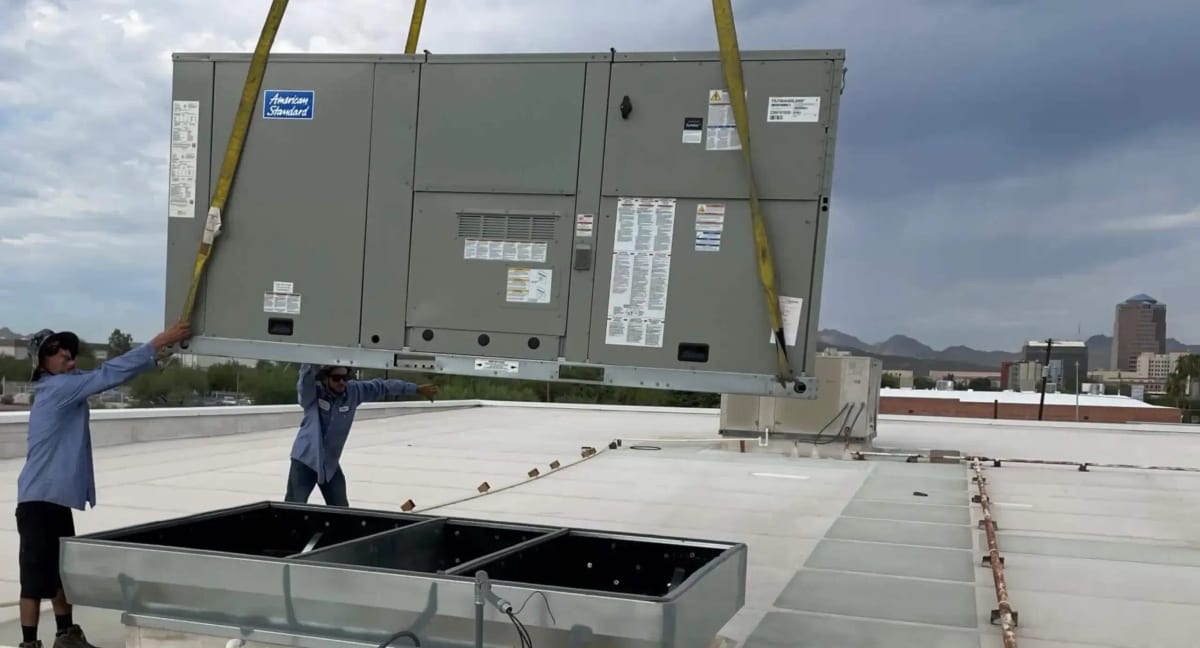
Most packaged rooftop units are far too heavy to carry up stairs, so a crane does the lift. A sound plan books the crane, clears any street or alley use, and picks a lift window with few people near the building. The old unit comes off first. The curb is checked, then the new unit is set and leveled on it. The lift itself is short; the hookup takes most of the day. City & Suburban confirms whether a crane job fits its current service scope before scheduling, and the lift goes in the written price.
What is a curb adapter, and when does a new rooftop unit need one?
A roof curb is the raised frame a rooftop unit sits on, sealed into the roof with the duct openings inside it. New units rarely match an old curb's footprint. A curb adapter is a fabricated transition between the old curb and the new unit. The roof stays sealed and the ducts line up. The other route, a new curb, means cutting into the roof membrane and often hiring a roofer. A sound site visit measures the curb and its openings. Because City & Suburban puts the full price in writing before work starts, the quote names the curb route, so an owner can compare it across bids.
How is the right size chosen for a commercial air conditioner installation?
Copying the old nameplate is the usual shortcut, and it carries old mistakes forward. A sound sizing runs a load calculation for the space as it is used today. Floor area, people, lighting, cooking, computers, glass and roof insulation all count. An oversized unit cycles on and off and leaves the air damp. An undersized one falls behind on the hottest afternoons. Because City & Suburban puts the full price in writing before work starts, the quote names the tonnage. An owner can ask for the load figures behind it and compare them with the old nameplate.
Will the existing ductwork work with a new commercial AC unit?
Often it will, but it has to be checked. A new unit may move a different amount of air, and its supply and return openings may sit in different places. Undersized or leaky ducts raise static pressure, which cuts airflow and strains the new fan. A sound installation measures the ductwork, seals what leaks and fits proper transitions at the curb. An owner should see the duct findings and any transitions listed on the written quote. City & Suburban puts the full scope and price in writing before work starts. When the ducts need redesign or larger runs, commercial ductwork covers that work.
Can the building's electrical service handle a new commercial AC unit?
Every unit lists its electrical needs on the nameplate: voltage, phase, minimum circuit size and the largest breaker allowed. A new unit can draw more than the old one, or need three-phase power the space lacks. A sound installation checks the panel, the wire size and the disconnect at the unit before anything is ordered. Panel or service upgrades need a licensed electrician. City & Suburban confirms whether the electrical work fits its current service scope before scheduling. Because the full price goes in writing first, any electrical work shows on the quote for comparison with other bids.
Can commercial AC replacement happen without closing the business?
In most cases, yes. A like-for-like rooftop swap usually fits in one working day, and the noisy parts can be planned around trading hours. Crane lifts often go early in the morning, before customers or tenants arrive. Restaurants and shops can lose cooling for a few hours with notice; server rooms and medical offices need more planning. A sound installation plan sets the date around trading hours and names the start time in writing. City & Suburban puts the full scope and price in writing before work starts. Emergency service runs 24 hours a day, 7 days a week if the old unit fails first.
When does commercial AC replacement beat another repair?
City & Suburban repairs all makes and recommends replacement only when the evidence supports it. The $5,000 rule is a fair start: multiply the unit's age by the repair price. A result over 5,000 calls for a replacement price beside the repair. A phased-out refrigerant, a failed compressor on an old unit or a rusted base pan push the same way. Refrigerant has shifted too. R-22 production ended in 2020. New equipment has moved from R-410A to lower-impact A2L refrigerants such as R-454B and R-32. A new outdoor unit usually needs a matched indoor coil, not a hookup to the old one. For units with years left, commercial AC repair is the answer. For several aging units, see commercial HVAC replacement.
Which commercial air conditioning equipment does City & Suburban install?
City & Suburban installs American Standard equipment, including packaged rooftop units, commercial split systems, condensing units and air handlers. Repairs cover all makes, so the brand on the roof today does not limit the service visit. Packaged units suit most low-rise commercial roofs. Split systems suit spaces where the roof cannot take a packaged unit, or where an indoor section already sits in a closet or ceiling. The written quote names the model and size before work starts, so an owner can check both against other bids.
Does a commercial AC installation in Chicago need a permit?
In most cases, replacing commercial cooling equipment in Chicago calls for a City of Chicago permit, and each suburb sets its own rules. Crane work in a street or alley can need its own approval. A sound installation names who pulls the permit, who books the inspection and when it happens. Owners should ask any commercial air conditioning contractor, City & Suburban included, to write the permit plan into the quote. A missing permit can surface later at a sale, a refinance or an insurance claim, which is a costly time to find it.
What happens on the day of a rooftop AC unit installation?
The day starts with power locked out at the disconnect. The refrigerant in the old unit is recovered, as federal rules require, before any line is cut. Power, drain and duct connections come apart, and the old unit is lifted off. The curb is cleaned, sealed or fitted with an adapter, and the new unit is set. City & Suburban crews then reconnect power, drains, ducts and controls before start-up. Christopher A. wrote in a Jun 2025 Google review: "The lead installer was clearly very experienced and kept us informed of their progress throughout the day."
What start-up checks should a new commercial unit pass?
Start-up is where a sound installation proves itself. The checks include the refrigerant charge, measured against the maker's figures, and the amp draw on the compressor and fans against the nameplate. The temperature split between return and supply air, the drain and the economizer, if fitted, are tested next. On packaged gas and electric units, the heat section gets a test run too. Owners should ask any installer for these readings in writing and keep the readings with the unit's service records. City & Suburban technicians are NATE-certified.
How long does a rooftop unit swap take from quote to cooling?
A like-for-like swap of one rooftop unit often takes a single working day. Lead time is the longer part. Equipment has to arrive, a curb adapter may need fabrication, and the crane needs a booking. Electrical upgrades or new duct transitions add days. City & Suburban sets the schedule once the scope is agreed. JC wrote a Jul 2026 Google review about an AC and furnace replacement with the compressor on a roof. "Everything was installed within the day and so far working good."
How does City & Suburban quote a commercial air conditioning installation?
A sound site visit covers the unit, the curb, the roof access, the electrical supply and the ducts. City & Suburban puts the full scope and price in writing before any work starts, with no hidden fees. City & Suburban backs its work with a satisfaction guarantee, and the quote should name the manufacturer warranty on the new unit. Items that often hide in a vague bid should each show on the quote: the crane, the curb adapter and removal of the old unit. JC wrote in a Jul 2026 Google review: "Two other companies would not even quote the job due to the roof location of the compressor."
Can a new commercial AC unit lower a building's cooling bills?
It can, when the equipment and the controls are both right. Current units use less power for the same cooling than most units built twenty years ago. An economizer lets a rooftop unit use cool outside air on mild days instead of running the compressor. Programmable controls stop the unit cooling an empty store overnight. A correctly sized unit also runs longer, steadier cycles. City & Suburban installs American Standard equipment, and energy-efficient upgrades covers controls and other ways a business can cut cooling costs.
Which Chicago areas does City & Suburban cover for commercial AC installation?
City & Suburban serves 13 Chicago neighborhoods and 8 north and northwest suburbs from its base in West Town. The list runs from Wicker Park, Logan Square and the West Loop to Skokie, Niles, Des Plaines and Park Ridge. Light-commercial work covers shops, offices, restaurants, mixed-use and multi-unit buildings. The full range of business services sits under commercial HVAC. For a house, condo or two-flat rather than a business, residential AC installation is the right page.
Related commercial HVAC services

Planning a rooftop or split system swap?
Call or text with the unit's age, size and roof access. City & Suburban scopes the job, then puts the full installation price in writing before any work starts.