Chicago local
 Family owned
 Since 1952
Service types
Commercial AC Maintenance Work We Handle
Common commercial ac maintenance jobs City & Suburban handles for Chicago homes and businesses.
Final recommendations follow the installed conditions, equipment instructions and applicable Chicago requirements.
Signs it is due
When a commercial unit is overdue for maintenance
Open the card that matches the building. None of these is a breakdown yet, and that is the point: each can be handled on a booked visit instead of during a heat wave. Each card lists likely causes, checks to make from the ground, and what a sound maintenance visit does. A unit that has already stopped needs a repair call. A gas smell at a rooftop unit always comes first.
Pricing
Six things that set the price of commercial HVAC maintenance
City & Suburban does not publish a price list for commercial HVAC service, because one rooftop unit with a good hatch and four units behind a locked roof are different visits. These six factors move the number most. The full scope and price go in writing before any work starts, with no hidden fees.
How City & Suburban prices every job
- 1 Diagnosis firstA technician finds the cause before anything is quoted.
- 2 Written price before any workThe exact price, in writing, for approval.
- 3 No hidden feesThe approved price is the price.
- 4 Repair first where repair is rightReplacement only when the evidence supports it.

Financing available
Wells Fargo Home Projects credit card, subject to credit approval. Ask whether it applies to business work.
Open 24 hours, 7 days a week
24/7 service, whatever the size of the job
A small fix or a full breakdown, City & Suburban answers around the clock, every day of the week. Call any time, day or night, and describe the problem.
- Big jobs and small jobs
- Day, night and weekends
- One number: (773) 238-3838
After the visit
When a maintenance finding calls for a repair or a new unit
Most maintenance findings are small: a belt, a capacitor, a contactor. A bigger one starts a different sum. The $5,000 rule is a rough start: multiply the unit's age by the repair price, and a result over 5,000 means a replacement price belongs beside the repair quote. It trips early on a young commercial unit, so check the age against the 15 to 20 years below and any warranty first. Then add what the rule leaves out: R-22 refrigerant, whose production ended in 2020; a rusted base pan; crane and curb work on a rooftop swap; and lost trading days. A 2016 U.S. Department of Energy article notes that rooftop units past 15 years often give reduced service while wasting energy.
Over 5,000, or on R-22: price commercial HVAC replacement beside the repair.
Equipment types
Commercial equipment and what a sound visit checks
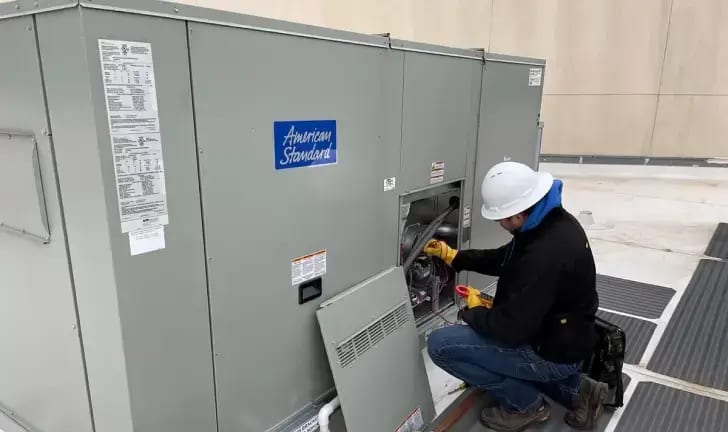
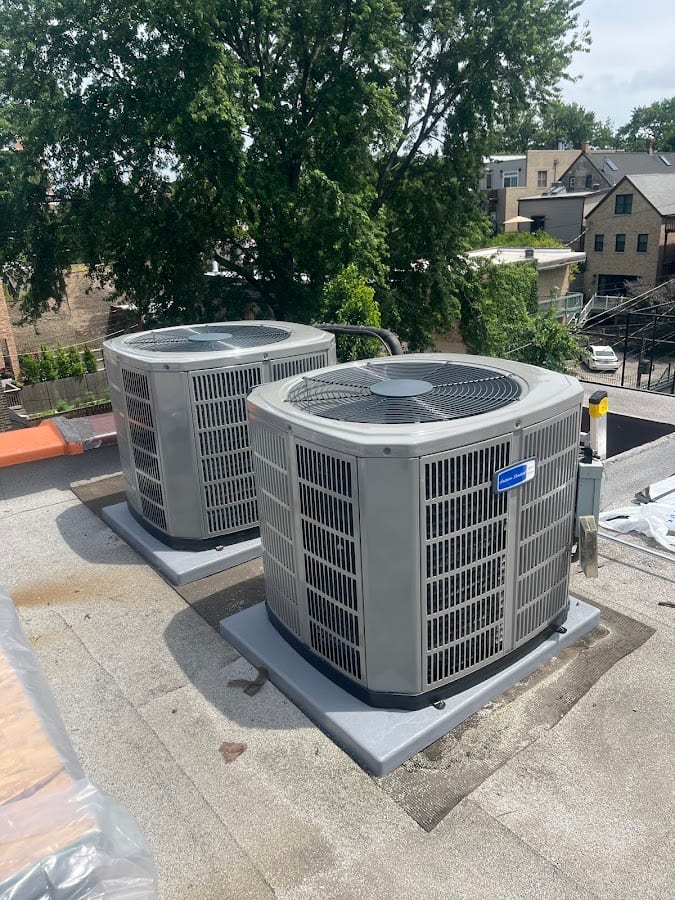
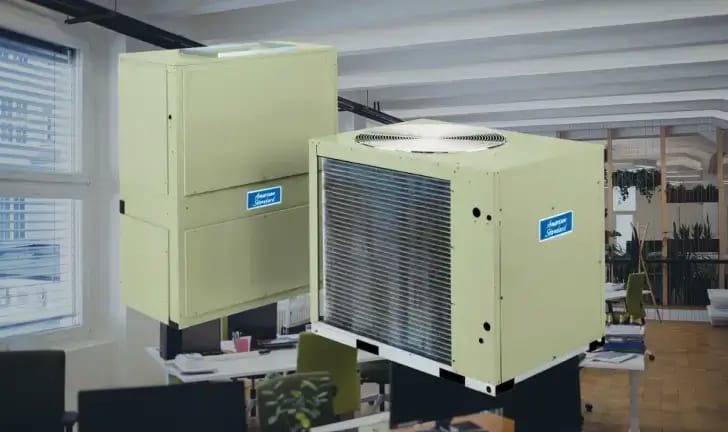
All makes repaired. Installed brand:

When a visit finds a unit at the end of its life, the equipment City & Suburban installs
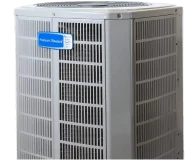
Maintenance comes first, and City & Suburban repairs all makes. When a unit is past saving, the American Standard lines below are the ones City & Suburban installs, and a new unit gets priced beside the repair.
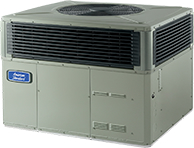 Packaged rooftop units
Cooling and gas heat in one cabinet
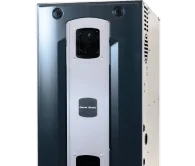 Gas furnaces
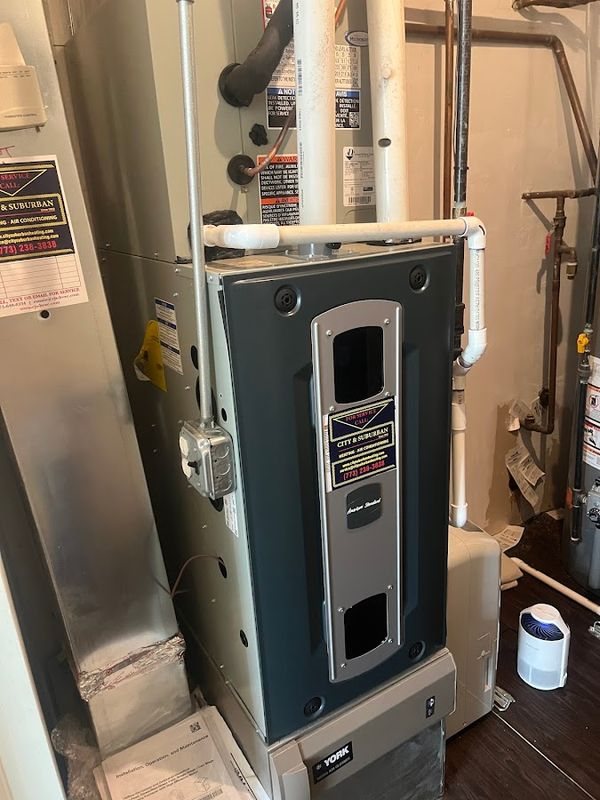
For split systems with gas heat
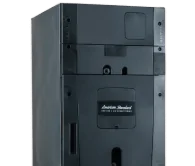 Air handlers
Indoor sections for split systems
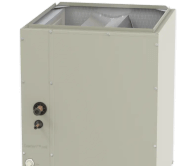 Evaporator coils
Matched to the outdoor unit
 Air conditioners
Condensing units for split systems
How it works
How a City & Suburban maintenance visit works
-
Reach out Call, text or book online.
 1
-
Pick a time Same-day visits when the schedule allows.
 2
-
On-site visit A technician checks the equipment on site.
 3
-
Honest pricing Any repair price, in writing, before work.
 4
-
Approved work Only the work you approve, then tested.
 5
-
Clear results Findings and next steps explained.
 6
Reviews
What customers say about seasonal service and rooftop units
Verbatim from Google reviews of City & Suburban. 4.98 average across 204 reviews. Most describe homes and condos, some with units on a roof, so read them for how the service runs, not as commercial case studies.
“Rob has taken great care of our HVAC systems for several years. During his most recent seasonal service it became clear it was the right time to replace the almost 20-year-old AC units.”
“Helped explain how to set my unit up for summer and secured the AC unit to our rooftop better so it wouldn’t move in the wind.”
“I have been using City & Suburban (Rob) for 8yrs just for maintenance and he has been great every time.”
“After diligent troubleshooting, Mike identified the issue as a fraying thermometer wire on the roof of our building and quickly replaced it.”
“I’ve been using them for several years now for annual checkups of my system and have nothing but good things to say.”
“I’ve been using their services for 4 years. Both Rob and Eddie are very nice, extremely thorough, prompt, and maintenance is easy to schedule.”
City & Suburban work in Chicago
Service areas
Commercial HVAC maintenance across Chicago and nearby suburbs
City & Suburban serves businesses and buildings in 13 Chicago neighborhoods and 8 north and northwest suburbs. Each area link opens local service details.
Chicago neighborhoods
North and northwest suburbs
Each link opens that area's page on the City & Suburban site.
Based in West Town
1225 N Cleaver St, Chicago, IL 60642. Technicians cover the city and the north and northwest suburbs.
Not on the list? Call (773) 238-3838 to check an address outside these 21 areas.
Call City & SuburbanQuestions owners ask before booking commercial HVAC maintenance
What does commercial HVAC maintenance include for a Chicago business?
A sound visit covers the whole unit, not only a filter swap. In spring, that means the outdoor and indoor coils, drain, belts, fans, contactors, capacitors, refrigerant readings and economizer. In fall, it means burners, heat exchanger, ignition, vent, safety controls, belts and filters. The written scope lists the tasks for your units. City & Suburban offers seasonal check-ups. A one-off commercial air conditioner service suits a single unit or a first look. For a repeating schedule with named units, terms and several sites, see custom HVAC maintenance plans.
How often should a commercial rooftop unit be serviced?
Twice a year is the usual floor for a unit that both cools and heats: once in spring and once in fall. ANSI/ASHRAE/ACCA Standard 180, the national practice standard for commercial HVAC upkeep, sets tasks by equipment type. Kitchens, salons, gyms and buildings with long hours often need more, because filters and coils load faster. A quiet office may hold to two visits. City & Suburban maintenance plans are built around seasonal check-ups, and each visit's findings show whether a building needs more.
What does commercial HVAC cleaning cover?
Cleaning means the parts that collect dirt and cost money when they do. The outdoor coil gets a proper wash with the power off, and the indoor coil gets cleaned where the cabinet gives access. The drain pan and line get flushed so water leaves by the drain, not the ceiling. Blower wheels and cabinet interiors get attention when dirt has built up. Thin fins bend under a hard spray, so method matters. A written scope should name each part cleaned. Kitchen hood and grease duct cleaning is a separate trade.
Why do condenser coils on Chicago roofs clog so fast?
A rooftop unit pulls a large volume of outdoor air through its coil all day. In Chicago, that air carries cottonwood seed from late spring, plus dust from flat roofs and traffic. On a restaurant block, exhaust fans add grease, which glues the rest in place. The coil then sheds heat poorly. The compressor works against higher pressure, draws more power and runs hotter, often for weeks before anyone notices. A clean before the first hot spell clears it, and a second may fit after cottonwood season.
Does commercial HVAC cleaning include the air ducts?
Not as a rule. A maintenance visit cleans the equipment. Ducts are a separate job, with their own tools and price, and they are not always the source of the dust. A leaky return duct can pull ceiling dust into the system, so sealing may matter more than cleaning. A technician should look at filters and coils first, since a dirty coil can be the real airflow problem. When dust or construction debris points to the ducts, air duct cleaning is the next step.
Who pays for rooftop unit maintenance, the tenant or the landlord?
The lease decides, and Chicago leases vary. Many make the tenant responsible for the rooftop unit serving the space, even though the landlord owns the roof. Others keep the unit with the landlord and bill it back. Some require proof of regular service. City & Suburban prices upfront, which gives whoever approves the spend a clear figure. A landlord or HOA may want insurance details before a technician goes up. Ask about insurance paperwork when you book, before the visit date. Brandi C. wrote in a Jun 2026 Google review: "Carissa was great staying on top of my slow-replying HOA to get the insurance info processed before Rob showed up."
Can commercial HVAC service happen without closing the business?
In most cases, yes. Most of the work happens on the roof, and each unit is off for only part of the visit. A filter, coil or drain job rarely touches the sales floor. Indoor air handlers above a dining room or in a tenant's closet need more planning. Shops and restaurants should name opening hours and busy days at booking. Ask at booking whether an early or late slot is possible. Same-day visits happen when the schedule allows. City & Suburban runs emergency service every day till midnight, except Sundays, if a unit fails before the visit.
What happens when a maintenance visit finds a failing part?
Commercial HVAC repair and maintenance often meet on one visit, and the owner decides. City & Suburban puts the repair price in writing before any work, so a finding does not become a surprise bill. A weak capacitor or worn belt can often be handled the same day with approval. Low refrigerant is different: it means a leak, so a top-up alone only delays the next call. When a part has failed or is close to it, commercial AC repair is the route. For several aging units, see commercial HVAC replacement.
Who works on the units, and does the make matter?
City & Suburban is run by Rob, the owner, second generation of the founding family, and its technicians are NATE-certified. It repairs all makes and models, so the badge on the roof does not limit the visit. Federal rules add a test for any company. Under Section 608 of the Clean Air Act, a person who opens a refrigerant circuit must be EPA certified. Refrigerant may not be vented, so building staff should leave gauges alone. Larger systems, such as central chiller plants, sit outside typical light-commercial work, so scope gets confirmed before scheduling.
Does commercial HVAC maintenance need a City of Chicago permit?
No. Chicago does not require a permit for HVAC repair or maintenance, so a booked service visit has no permit step. Replacing equipment is a different matter and can need a permit. Separately, the City's code directs periodic inspection of mechanical ventilating systems. The Department of Buildings also lists annual equipment inspections for high-rise and commercial buildings among its ventilation duties. An owner can ask the department whether a building is covered. Suburbs set their own rules.
What happens during a rooftop unit maintenance visit?
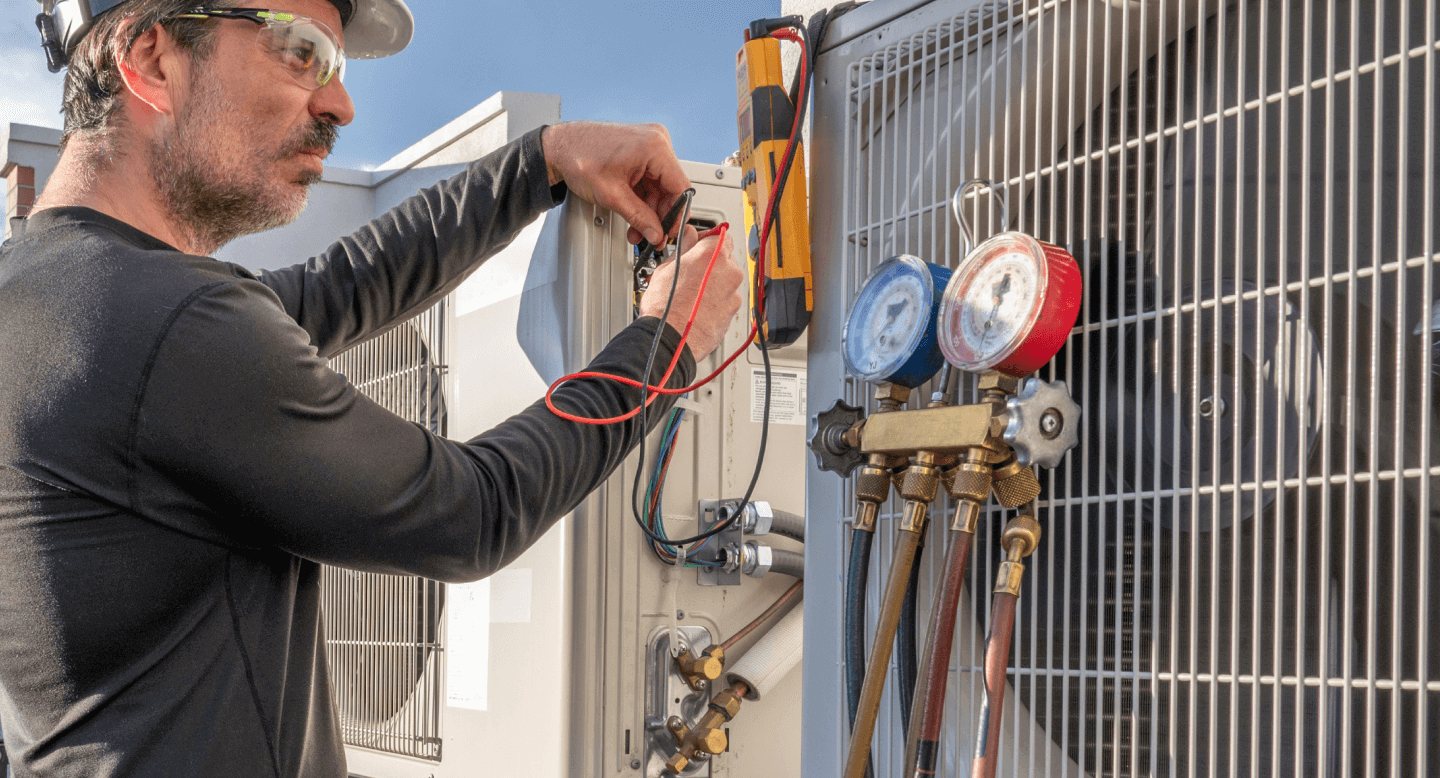
A rooftop visit should start with the power off at the disconnect. The technician should pull the filters, open the panels and read the condition of the belts, wiring and contactors. The coils and drain should get cleaned next. Then the power comes back on and the unit runs through cooling, and heat if fitted, while the readings get taken. A healthy rooftop unit often takes an hour or two, and several units take longer. Findings should reach the owner before any repair. Edward L., a residential customer, wrote in a Jun 2026 Google review of City & Suburban: "They also cleaned up after themselves and checked my indoor unit without asking."
What readings should a commercial maintenance visit leave behind?
A useful record names each unit by model and serial number, then lists the date, the work and the readings. Those readings include compressor and fan amp draw, the temperature split between return and supply air, static pressure across the filter, and refrigerant superheat and subcooling. Readings taken each season show a slow decline that one visit cannot. Some manufacturer warranties also require documented upkeep, so a dated record matters. Ask for the readings from each visit to keep in that file. Approved quotes belong in the same file.
When should a business book commercial AC service in Chicago?
Spring, before cottonwood and the first hot week, is the cooling visit. Early fall, before the first cold snap, is the heating visit. Where a landlord heats apartments in a mixed-use building, the Chicago Heat Ordinance (Municipal Code 13-196-410) applies from September 15 to June 1. The general rule is 68 degrees by day and 66 overnight. A July booking still helps, but the unit has already run with dirty coils. City & Suburban offers same-day visits when the schedule allows, and plan members get priority dispatch. Eric F. wrote in an Aug 2026 Google review: "They’ve always been accommodating meeting my scheduling needs, as well."
Does regular maintenance stop rooftop unit breakdowns?
It cuts the odds, but no visit prevents every failure. Rooftop units sit out of sight, so upkeep often gets deferred until a unit quits, a pattern a 2016 U.S. Department of Energy article describes. A scheduled visit can catch a weak capacitor, a slipping belt or a plugged drain while the unit still runs. Those are simpler to handle on a booked visit than on a Friday night in July. Larry V., a condo owner, wrote in a Jul 2025 Google review: "Rob always comes out at a convenient time and his excellent service prevents problems from occurring."
Can maintenance lower a building's energy bills?
It can, mostly by removing waste. A clean coil lets the compressor work at lower pressure. A clean filter keeps airflow up, so the unit reaches temperature sooner. A working economizer uses cool outside air on mild days instead of running the compressor. A wall control set to real business hours stops the unit from cooling an empty store overnight. No honest visit can promise a set saving, because each building starts from a different place. Beyond upkeep, energy-efficient upgrades cover other ways to cut costs.
Does City & Suburban offer commercial AC maintenance near me?
City & Suburban serves 13 Chicago neighborhoods and 8 north and northwest suburbs from its base in West Town. The list runs from Wicker Park, Pilsen and the West Loop to Skokie, Glenview and Des Plaines. Light-commercial work covers shops, offices, restaurants, mixed-use and multi-unit buildings. The full range of business services sits under commercial HVAC. For a house, condo or two-flat rather than a business, residential AC maintenance covers that work.
Related commercial HVAC services
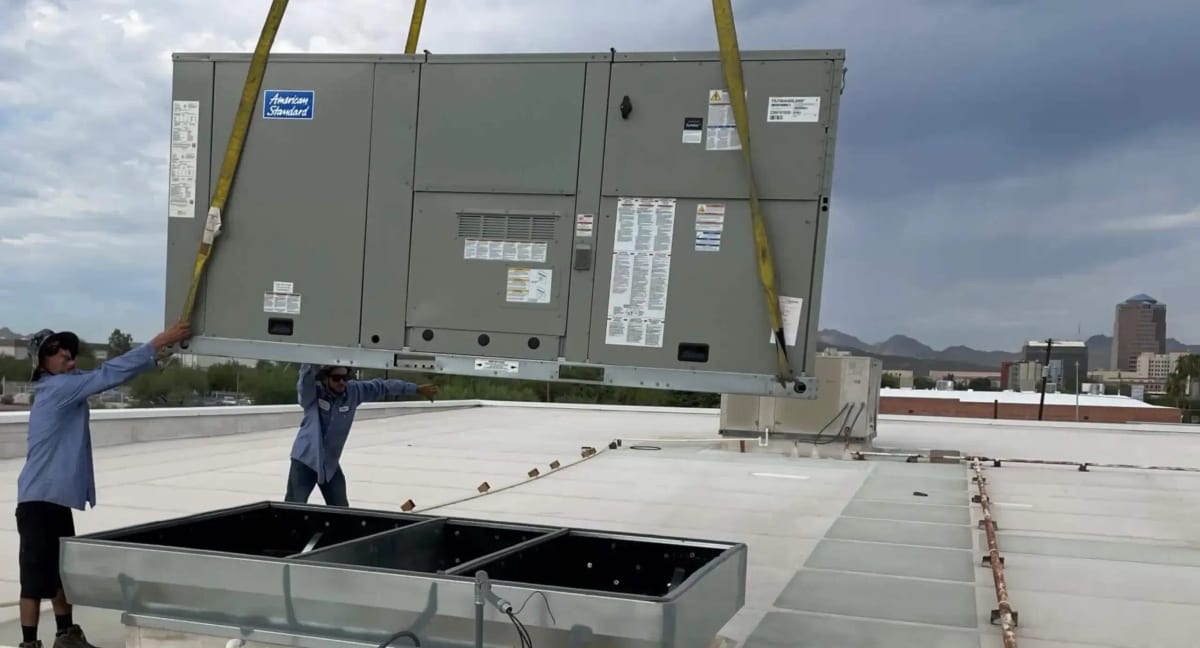

Time for a rooftop or split system check?
Call or text with the number of units, their age and the roof access. City & Suburban scopes the visit, then gives the price before any work starts.