
 Chicago local
 Family owned
 Since 1952
Service types
Condensate Pump & Drain Line Repair Work We Handle
Common condensate pump & drain line repair jobs City & Suburban handles for Chicago homes and businesses.
Final recommendations follow the installed conditions, equipment instructions and applicable Chicago requirements.
Water, pumps and drains
Where the water shows up, and which part it points to
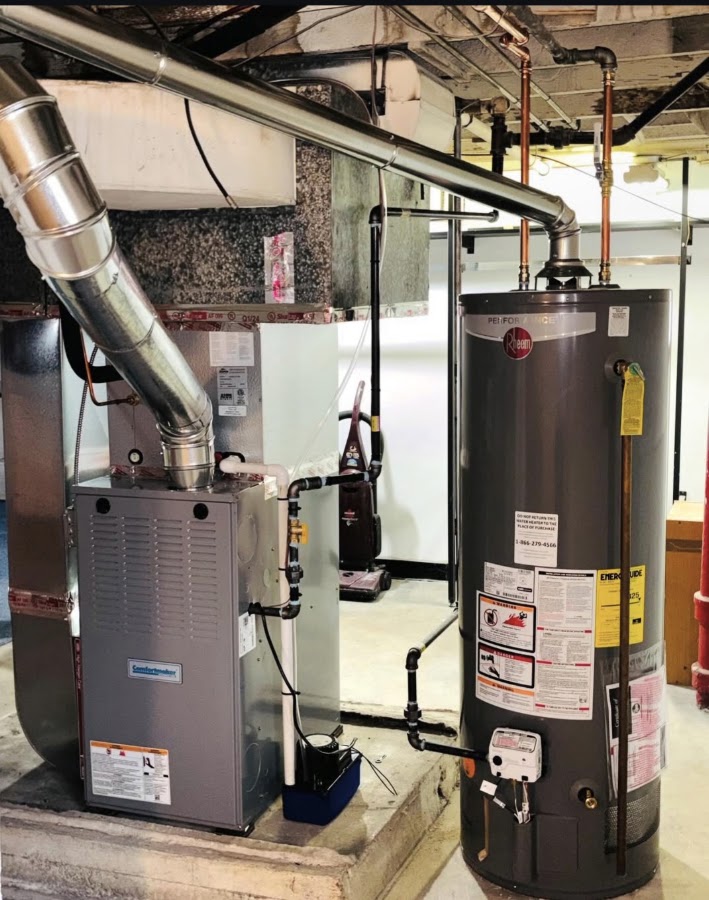
Water at an HVAC system usually traces to a clogged line, a full or rusted pan, or a pump that stopped lifting. The usual shortcut clears what can be seen and leaves. If slope, a trap or a missing safety switch caused it, the water returns, sometimes through a ceiling. Chicago's plumbing code gives the standard to check against: 1/8 inch of slope per foot, and overflow protection where a spill could damage the building. City & Suburban diagnoses before quoting. Each card lists likely causes, safe checks and what a proper visit checks, which also works as a list to ask any technician.
Pricing
What decides the cost of condensate pump and drain work
This page lists no fixed price, because the same puddle can end in a line cleaning or a new coil pan. From the smallest job up, the usual order is a drain line cleaning, then a float switch or trap repair. A condensate pump replacement comes next, then a new pump installation with a fresh drain run. A drain pan replacement can be the largest, because it can mean reaching the coil. City & Suburban gives the exact figure in writing, so the homeowner approves the cost first.
How City & Suburban prices the work
- 1 Diagnosis firstA technician diagnoses the system before a repair is quoted.
- 2 Written price before any workThe exact price, in writing, for approval.
- 3 No hidden feesThe approved price is the price.
- 4 Repair first where repair is rightReplacement only when the evidence supports it.

Financing available
Wells Fargo Home Projects credit card, subject to credit approval.
Open 24 hours, 7 days a week
24/7 service, whatever the size of the job
A small fix or a full breakdown, City & Suburban answers around the clock, every day of the week. Call any time, day or night, and describe the problem.
- Big jobs and small jobs
- Day, night and weekends
- One number: (773) 238-3838
Clean, repair or replace?
Start with the smallest fix that solves it, and replace only what has failed
A blocked line or a sludgy tank calls for cleaning. A failed switch, trap or joint calls for a repair. A pump that no longer runs, or a pan rusted through, calls for replacement. The $5,000 rule rarely applies to a pump, because the part is small. It matters when water has ruined a coil pan on an older system: multiply the system age by the repair price, and above $5,000, a full system price deserves a place beside the repair quote. City & Suburban repairs first where repair is right.
A leak in a built-in coil pan on an aging system: ask for both prices.
Equipment types
Every part that moves the water, and what each one does
Installed with replacement equipment

How a pump installation goes, and the equipment used when more has failed
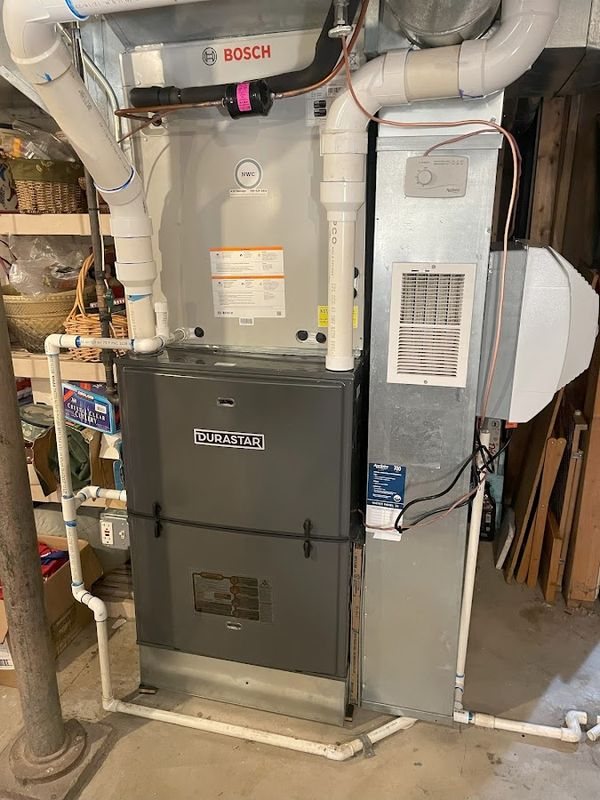
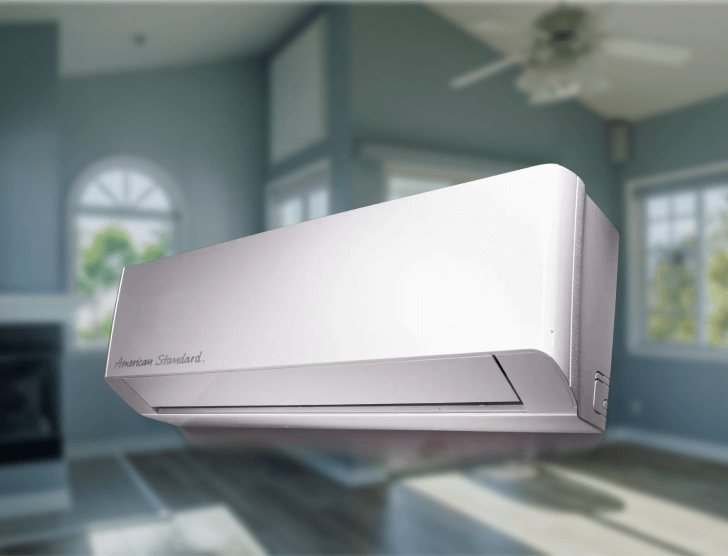
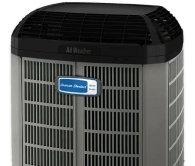
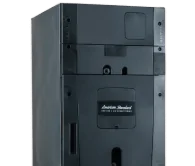
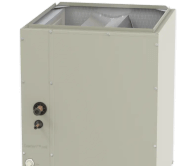
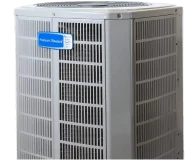
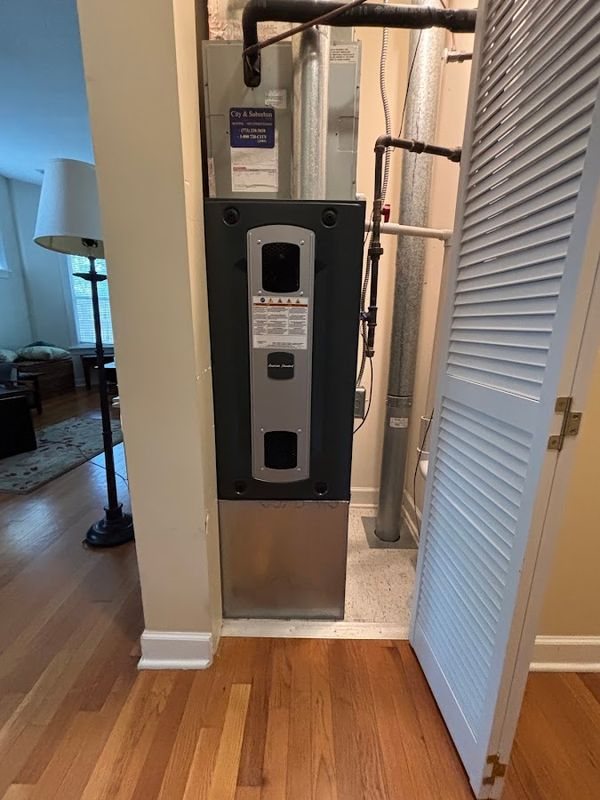
A sound condensate pump installation follows an order: measure the lift and distance, choose a pump rated for them and for the water it will carry, confirm a grounded outlet, wire the safety switch to stop the system, run tubing to an approved drain, then flow test. When a coil, pan or furnace has failed too, City & Suburban installs American Standard equipment. Repairs still cover every make.
 Gas furnaces
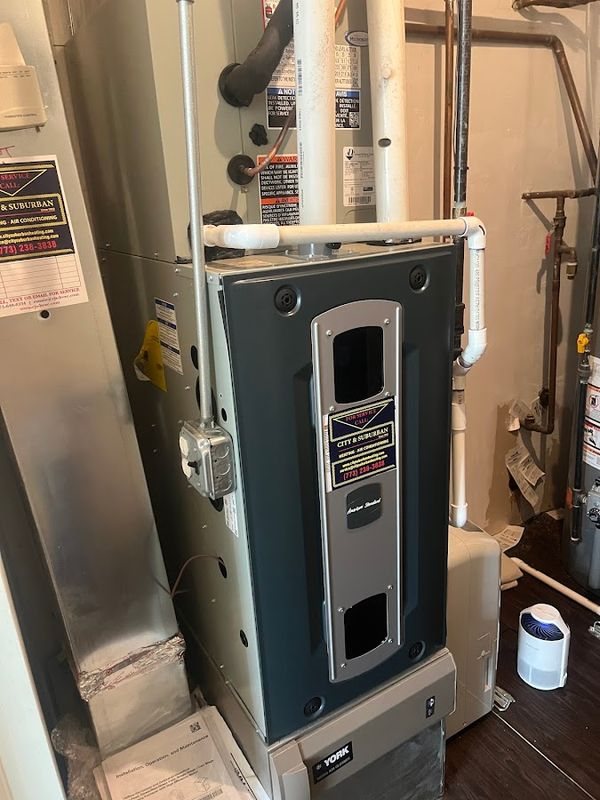
Condensing models drain their own water
 Heat pumps
Drain from the indoor coil while cooling
 Air handlers
Often set over a secondary pan
 Evaporator coils
With a new built-in drain pan
 Air conditioners
Their indoor coil makes the water
How it works
How a City & Suburban visit works
-
Reach out Call, text or book online.
 1
-
Pick a time Same-day visits when the schedule allows.
 2
-
On-site visit A technician diagnoses the problem.
 3
-
Honest pricing The price, in writing, before any work.
 4
-
Approved work Only the work the homeowner approves, then tested.
 5
-
Clear results Findings and next steps explained.
 6
Reviews
What Chicago homeowners say about leaks and straight answers
Verbatim from Google. The first three mention a leak or a drain; the others speak to the service. 4.98 average across 204 reviews.
“We had a leak in our HVAC unit that turned out to be a bad pump and Rob and Eddie were able to get it knocked out incredibly quickly”
“When I needed him recently to check my furnace due to water leaks related to a clogged condensation pipe above my condo unit he came out right away”
“when my neighbor raised concerns about a possible leak from my HVAC system, Rob promptly came out for a thorough assessment”
“Rob explained what was going wrong and why it needed to be fixed.”
“Gave honest assessment and very fair remedies.”
“They also cleaned up after themselves and checked my indoor unit without asking.”
City & Suburban work in Chicago
Service areas
Condensate and drain service across Chicago and nearby suburbs
City & Suburban services condensate pumps and drain lines, from two-flat basements to condo closets, in 13 Chicago neighborhoods and 8 north and northwest suburbs.
Chicago neighborhoods
North and northwest suburbs
Each link opens that area's page on the City & Suburban site.
Based in West Town
1225 N Cleaver St, Chicago, IL 60642. Technicians cover the 21 listed areas.
Not on the list? Call (773) 238-3838 to check an address outside these 21 areas.
Call City & SuburbanCondensate pump and drain line questions
Who installs a condensate pump near me in Chicago?
City & Suburban Heating & Cooling handles condensate pump installation, replacement and repair on every make. The company has been family-owned since 1952 and is based in West Town. Rob, the owner, is second generation of the founding family, and the technicians are NATE-certified. The rating is a 4.98 average across 204 Google reviews. Abhinav M. wrote in a Jun 2024 Google review: "Very quick response, helpful and doesn't try to upsell." Call (773) 238-3838 or text (312) 821-6809, and describe where the water shows up.
What does condensate pump installation involve?
The job starts with the water's path: how high and how far it must travel to an approved drain, such as a floor drain or laundry standpipe. That lift and distance choose the pump, and a condensing furnace needs one rated for acidic water. The pump sits below the pan, on a level spot, near a grounded outlet. Pumps make noise, so a spot away from bedrooms helps. Tubing runs up and over to the drain, with a check valve at the pump. The safety switch stops the system if the tank overfills. As general guidance, a simple swap takes an hour or two, and a new run takes longer.
When does a home need a condensate pump instead of a gravity drain?
A pump is needed when no drain sits below the pan. A basement furnace on a slab with no floor drain nearby is the common case, and a basement served by an overhead sewer or ejector pit may have no gravity path at all. A central air coil added to an older building is another, because the building predates that water. The Cook County Assessor dates 83.0 percent of West Chicago township's houses and small multi-family buildings before 1940. Gravity still wins where the slope allows, since a drain has no motor to fail. A sound quote says why a pump is needed.
What do condensate pump replacement and installation cost?
No single figure fits, because the water's path sets it. A like-for-like condensate pump replacement is usually the smaller job: one pump, same tubing. A new installation adds tubing, a drain connection and sometimes an outlet and switch. Attics and finished ceilings add time. City & Suburban gives the price upfront, with no hidden fees. A new pump will not help a high-efficiency furnace stopped by a blocked vent or a failed pressure switch. That fault falls under furnace repair.
What does AC drain line cleaning involve?
A sound AC drain line cleaning starts with the power off. The line gets cleared from the outdoor end or a cleanout, often with a wet vacuum, then flushed through the trap. Water poured into the pan should run out the far end at a steady rate. That flow test is the proof a line is clear. The same visit should check the slope, the trap and the float switch. A yearly check fits into an AC tune-up.
Can a homeowner clean an AC drain line safely?
Yes, for the simple part. Carrier's homeowner guidance says to turn the AC off, use a wet/dry vacuum at the outdoor exit and pour a cup of distilled vinegar into the indoor access point. Leave a furnace trap alone. Never mix cleaners, because bleach and vinegar together release a toxic gas. A line that stays slow, or a float switch that keeps tripping, needs a technician. Chicago's code calls for lines that can be cleared without cutting, so a line that must be cut points to a poor layout.
What do AC drain line cleaning, repair and replacement cost?
A cleaning at an open end with a cleanout usually costs least. AC drain line repair adds fittings and the time to find the leak or bad slope. AC drain line replacement depends on length, and on whether the run sits behind a finished ceiling. City & Suburban states the price upfront, and the homeowner can approve or decline it first.
What should a homeowner do when water comes through a ceiling?
Turn the system off and stay out from under any sagging drywall. Put a bucket down and keep clear of wet wiring. In a condo, call building management too, since the source may sit in another unit or a shared line. In a rental, tell the building owner first. City & Suburban offers emergency service every day till midnight, except Sundays. Outside those hours, shut the system off, contain the water and call when service resumes. Larry V. wrote in a Jul 2025 Google review about "water leaks related to a clogged condensation pipe above my condo unit."
What does AC drain pan replacement cost and involve?
It depends on which pan failed. A secondary pan under an attic or closet unit means lifting or supporting the unit to swap it. Chicago's code sets that pan at 1 1/2 inches deep or more, and at least 3 inches wider and longer than the unit or coil. A primary pan is built into the coil, so AC drain pan replacement can mean reaching or replacing the coil itself. That is why the two jobs differ so widely in price. A coil inside a closet unit may also bring in air handler repair.
Can a rusted or cracked drain pan be cleaned or repaired instead?
Sometimes. AC drain pan cleaning solves slime and standing water when the pan itself is sound. A small crack in a plastic pan can sometimes be sealed as a short-term fix, but a sealed crack tends to open again. Rust that has gone through a steel pan means replacement, and a pan that still holds water after cleaning needs a closer look. A pan repair makes sense only when the leak is small and the coil is young. A written quote should say which job it is.
Can a condensate line freeze in a Chicago winter?
Yes. A line that ends outdoors or runs through an unheated attic can freeze, and a high-efficiency furnace makes water all winter. An ice plug backs water into the furnace, and many furnaces then shut down. The answer is a warmer route, better slope or insulated tubing, sometimes with a pump sending water to an indoor drain. Chicago's code bars condensate discharge into a street or alley that causes a nuisance, so the line's end matters too. Thawing alone only lasts until the next cold snap.
Why does a high-efficiency furnace need its own drain care?
Its water is acidic. A condensing furnace pulls extra heat from the exhaust, and that makes water that can attack metal drains and pipes. A clogged trap or hose can shut the furnace down, often with a code. The trap also keeps flue gas from escaping through the drain, so it must stay filled and sealed. A neutralizer cartridge raises the pH and often needs changing about once a year. Chicago's code asks for corrosion-resistant piping and sends this water to a plumbing fixture or disposal area under the maker's instructions.
Can a maintenance plan keep a drain from clogging?
It can lower the odds. A drain clogs slowly, so a yearly cleaning and flow test catch it before the float switch or the ceiling does. City & Suburban maintenance plans include seasonal check-ups, priority dispatch and member discounts. A home with a pump should also have its tank and float looked at on each visit. Stephany O. wrote in an Aug 2026 Google review: "It’s great having a company we can trust for both service and ongoing maintenance." Details are on the maintenance plans page.
Does condensate pump installation need a City permit, and what does the code ask for?
A pump swap or a cleared line is repair work, and Chicago does not require a permit for HVAC repair or maintenance. New equipment can bring one, and suburbs set their own rules, so the quote should say whether one applies and who files it. The code still applies: section 18-29-314 of the Municipal Code of Chicago sets a 3/4-inch minimum drain and 1/8 inch of slope per foot. Where an overflow could damage the building, it requires an auxiliary pan, an overflow line or a shut-off device.
When is a leak more than a drain problem?
When the drain runs free and water still appears. A frozen coil drips as it thaws, which points to airflow or refrigerant. Rust in a coil pan can point to an aging coil. At a furnace, a loose vent joint can let condensate run back and look like a drain leak. On an older system, the $5,000 rule helps weigh a big repair against replacement. City & Suburban repairs first where repair is right. Coil faults fall under evaporator coil repair. Troy T. wrote in a Nov 2025 Google review: "They reviewed my options and helped me make the decision between repair and replace."
Why is a ductless wall unit dripping water?
A ductless head has a tiny pan and a thin drain, so dust and slime can block it quickly. Water then runs down the wall. A dirty filter can also freeze the small coil, which drips as it thaws. Many heads drain by gravity through the wall, and some rely on a mini pump when the line has no downhill path. Chicago's code asks for a trap or an in-line check valve on these drains. Turn the head off until it is checked. Cleaning, pumps and other faults fall under ductless service from City & Suburban, which repairs all makes.
Related coil, air handler and furnace services

Water at the unit? Book a drain check today.
Call or text with where the water shows up. City & Suburban diagnoses the cause and puts the price in writing before work, with emergency service every day till midnight, except Sundays.