
 Chicago local
 Family owned
 Since 1952
Service types
Furnace Igniter & Flame Sensor Repair Work We Handle
Common furnace igniter & flame sensor repair jobs City & Suburban handles for Chicago homes and businesses.
Final recommendations follow the installed conditions, equipment instructions and applicable Chicago requirements.
Ignition problems
What the burners are doing, and which part it points to
The igniter heats until it can light the gas, and the flame sensor tells the control board a flame exists, or the gas shuts off. The usual shortcut swaps one of them on the symptom alone, which can mean paying for a part that was not the fault, then losing heat again. The start order shows the real step: thermostat, inducer, pressure switch, igniter, gas valve, flame sensor. City & Suburban diagnoses before quoting, and Brandon A. wrote in a Jan 2023 Google review that Rob "told me that it was a completely different part that needed to be replaced." Open the card that matches, and treat a gas smell or CO alarm first.
Pricing
What decides the cost of an igniter or flame sensor repair
Furnace ignitor replacement cost and flame sensor replacement cost depend on what the diagnosis finds and on the furnace itself. A fixed price would mislead, because the same symptom can end in a cleaning or a new gas valve. As a rough order from lowest to highest: a sensor cleaning, a new sensor, a new igniter, then a board or gas valve. The price is agreed upfront, before any work starts.
How City & Suburban prices the work
- 1 Diagnosis firstA technician diagnoses before anything is quoted.
- 2 Upfront priceThe figure is agreed before any work.
- 3 No hidden feesThe agreed price is the price.
- 4 Repair first where repair is rightReplacement only when the evidence supports it.

Financing available
Wells Fargo Home Projects credit card, subject to credit approval.
Open 24 hours, 7 days a week
24/7 service, whatever the size of the job
A small fix or a full breakdown, City & Suburban answers around the clock, every day of the week. Call any time, day or night, and describe the problem.
- Big jobs and small jobs
- Day, night and weekends
- One number: (773) 238-3838
Repair or replace?
The $5,000 rule, and what one small part says about an old furnace
Multiply the furnace's age by the repair price. A result over $5,000 means a replacement price deserves a look beside the repair quote. An igniter or flame sensor is among the smaller furnace jobs, so on most furnaces in mid-life the repair wins easily. The math shifts when the same visit finds a failed board, a failed gas valve or a heat exchanger crack, or when the furnace still runs a standing pilot. City & Suburban diagnoses first, repairs where repair is right, and recommends replacement only when the evidence supports it.
Over 5,000: ask for a replacement price next to the repair quote.
Equipment types
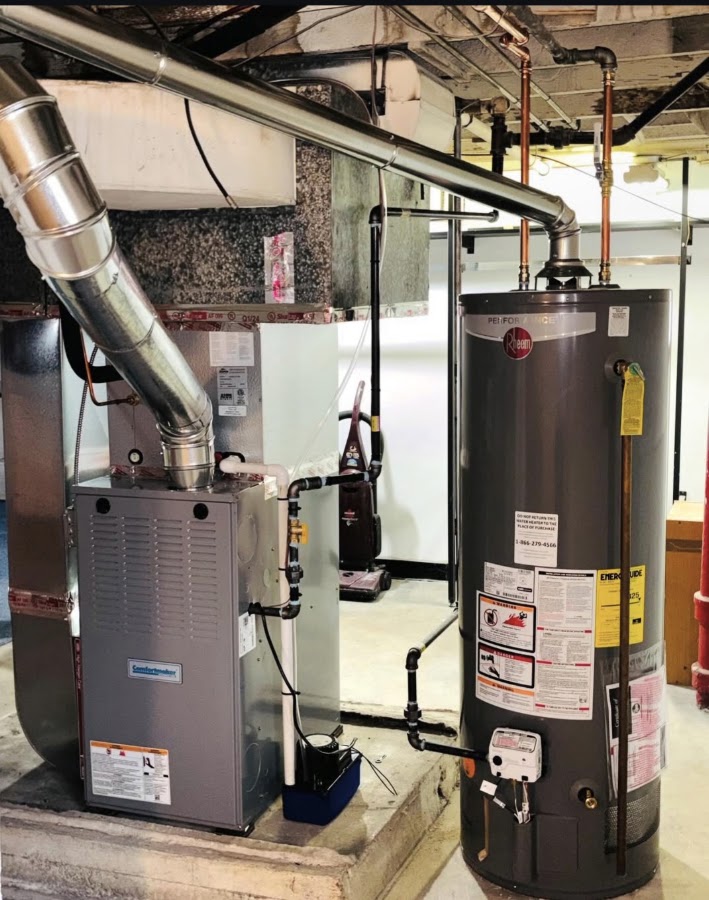
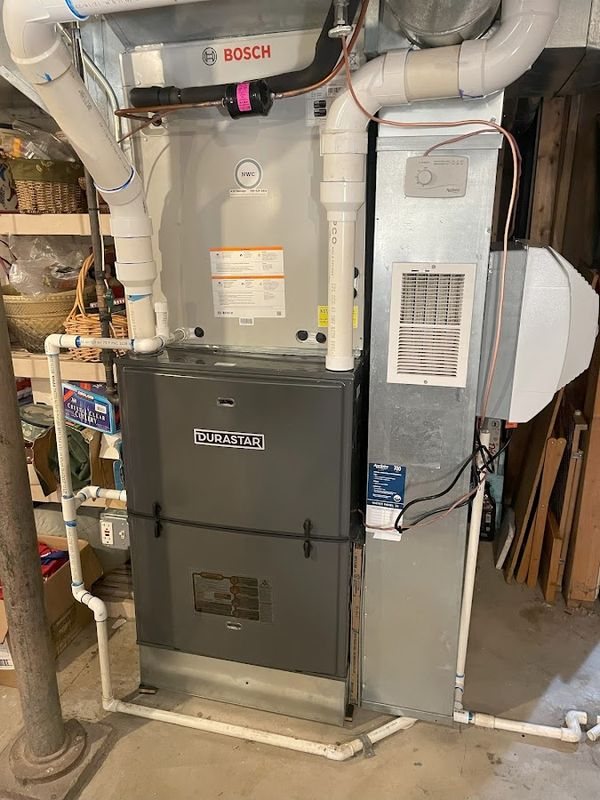
Every ignition type in Chicago furnaces, all makes
Installed when replacement wins

When a small part points to a bigger job, the furnaces City & Suburban installs
An igniter or sensor rarely justifies a new furnace by itself. When the test finds more, or the furnace is near the end of its life, City & Suburban installs American Standard furnaces and matching equipment. Repairs still cover every make, whatever brand heats the home today.
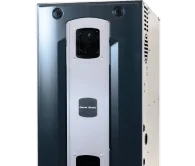 Gas furnaces
Standard and high-efficiency
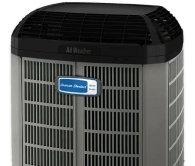 Heat pumps
Including cold-climate models
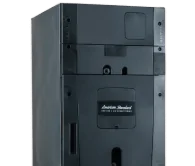 Air handlers
For heat pump systems
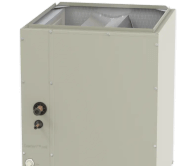 Evaporator coils
Matched to the outdoor unit
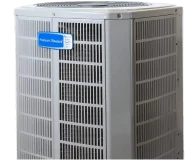 Air conditioners
Replaced with the furnace or alone
How it works
How a City & Suburban visit works
-
Reach out Call, text or book online.
 1
-
Pick a time Same-day visits when the schedule allows.
 2
-
On-site visit A technician diagnoses the ignition fault.
 3
-
Honest pricing The price, before any work.
 4
-
Approved work Only approved work, then tested.
 5
-
Clear results Findings and next steps explained.
 6
Reviews
What Chicago homeowners say about no-heat calls
Verbatim from Google. 4.98 average across 204 reviews. No review names an igniter or flame sensor, so these speak to no-heat calls and diagnosis.
“Turns out parts needed cleaning that stopped the short cycling issue.”
“Furnace was flashing a signal and not operating as it should it -7 degree temps. They came same day and fixed the issue.”
“told me that it was a completely different part that needed to be replaced.”
“They arrive 10 minutes early and we’re done in 25 minutes with my heating problem… Outstanding service!”
“My furnace was fixed within 2 hours on a 11° day.”
“They were able to quickly diagnose the problem, replace the part, and went above and beyond!”
City & Suburban work in Chicago
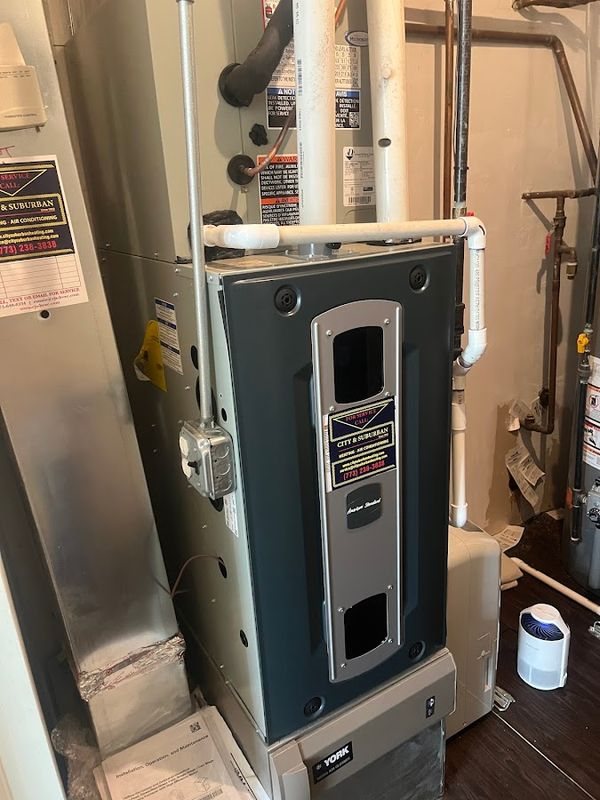
Service areas
Igniter and flame sensor service across Chicago and nearby suburbs
City & Suburban services furnace ignition parts from its West Town base, in the neighborhoods and suburbs listed here.
Chicago neighborhoods
North and northwest suburbs
Each link opens that area's page on the City & Suburban site.
Based in West Town
1225 N Cleaver St, Chicago, IL 60642. Technicians cover the listed areas.
Not on the list? Call (773) 238-3838 to check an address outside these 21 areas.
Call City & SuburbanFurnace igniter and flame sensor questions
Who replaces a furnace ignitor or flame sensor near me in Chicago?
City & Suburban Heating & Cooling does this work on every make, across its listed Chicago neighborhoods and suburbs. The company has been family-owned since 1952 and is based in West Town. Its NATE-certified technicians diagnose before quoting, and the company holds a 4.98 average across 204 Google reviews. Robert F. described a no-heat morning in a Nov 2025 Google review: "technician showed at 8:30 to verify the issue and what part was needed." Call (773) 238-3838 or text (312) 821-6809, and describe what the burners do.
What does furnace ignitor replacement cost in Chicago?
No single figure fits, because the furnace sets it. The igniter type matters most: silicon nitride usually costs more than silicon carbide, and some furnaces need the maker's own part. Access and whether the part is on hand also move the price. City & Suburban agrees the price upfront.
What do flame sensor cleaning and replacement cost?
Cleaning usually costs less, since no new part goes in. The cost is mostly the visit and the time. A new sensor adds the part, and flame sensors are among the smaller furnace parts. The figure climbs only if the real fault sits elsewhere, such as a bad ground or a weak flame. City & Suburban gives the price with no hidden fees, so a homeowner can approve or decline it first.
Should the igniter and flame sensor be replaced together?
Not by default. The two parts fail for different reasons, and a test shows which one stopped the furnace. On an older furnace with a worn igniter, a spare replacement can make sense while the panel is open. That should be the homeowner's choice, stated with its price. City & Suburban diagnoses before quoting. Lena H. wrote in a Jan 2026 Google review: "C&S Heating look for solutions to fix vs selling you unnecessary spare parts."
How can a homeowner tell a bad igniter from a dirty flame sensor?
Watch the order of events through the sight glass, if the furnace has one. No orange glow after the inducer starts points to the igniter, its wiring or the board. A glow with no flame points to gas or a weak igniter. Burners that light and then go out within seconds usually point to the flame sensor. These are clues, not proof. A meter settles it, and City & Suburban diagnoses before quoting.
Is it safe to keep resetting a furnace that locks out?
No. A lockout means the furnace failed to prove a safe flame several times. One reset is reasonable. Repeated resets send more gas to a burner that is not lighting properly. A flame sensor must never be jumped or bypassed. A wavering flame can also point to a cracked heat exchanger, which calls for a heat exchanger inspection before the furnace runs again. A gas smell or CO alarm means leaving first and calling from outside.
Can a furnace ignitor be cleaned, and can a homeowner clean a flame sensor?
An igniter should not be cleaned. Brushing or vacuuming can crack a silicon carbide element, and a clean worn igniter is still worn. A flame sensor can be cleaned with the power and gas off and the furnace cool. The rod must not be bent, and a low signal afterward needs a meter. Many homeowners prefer a visit for that reason.
Does furnace ignitor replacement need a City permit?
No. Swapping an igniter, sensor or thermocouple is repair work, and Chicago does not require a permit for HVAC repair or maintenance. Replacing the whole furnace is different and can bring a permit. Suburbs set their own rules, so the 8 suburbs on the service list can differ. Whether a permit applies, and who files it, is worth settling at the quote.
How long do igniters and flame sensors last?
As general guidance, igniter maker White-Rodgers lists typical replacement at 2 to 5 years for silicon carbide and 5 to 10 for silicon nitride. A flame sensor often lasts many years with cleaning. Dust and indoor chemicals can shorten that, so a basement near a renovation or laundry products may coat a rod faster. A yearly tune-up can catch a weak signal before a cold night. City & Suburban maintenance plans add seasonal check-ups.
Does a warranty cover a new igniter or sensor?
Often the part, less often the labor. A furnace's parts warranty may still cover the igniter, and the terms depend on install date and registration. The model and serial number on the rating label settle it. Replacement igniters carry their own part warranties, which vary by type. City & Suburban offers a satisfaction guarantee.
Why does a furnace keep going out after a new igniter or sensor?
Because the part was not the whole fault. A poor ground weakens the flame signal even with a new rod. Dirty burners or low gas pressure can keep the flame off the sensor. A blocked vent or a wet condensate trap can stop the same start at the pressure switch. City & Suburban looks for the cause before quoting. Sarah A. wrote in a Mar 2024 Google review about a furnace that kept going out: "He came, identified the problem, double-checked his work and was back with the part the same night." A repeat lockout after a new part calls for a full run of the start sequence.
How long does the job take, and is same-day service possible?
As general guidance, a sensor cleaning or igniter swap often takes under an hour once the fault is found. A part that must be ordered adds a return trip. City & Suburban offers same-day service when the schedule allows, and emergency service runs every day till midnight, except Sundays. Erin J. wrote in a Jan 2023 Google review: "He diagnosed the problem, ordered the necessary part, and had it finished the next day when the part came in."
What does pilot light repair involve, and when is a new furnace better?
A standing pilot is a small flame that burns all the time, and a thermocouple proves it to the gas valve. Repair usually means a cleaned orifice, a new thermocouple or a pilot assembly. Building age says little here: the Cook County Assessor dates 83.0 percent of West Chicago township's houses and small multi-family buildings before 1940, but a standing pilot marks an old furnace. Past about 20 years, pricing both is worthwhile. City & Suburban repairs all makes. Jessica F. wrote in a Nov 2025 Google review: "Furnace is nearing its useful life but not yet!"
Does a pilot on a water heater or gas fireplace need the same repair?
The idea is similar, but the parts and controls differ. Water heaters and fireplaces use their own thermocouple or thermopile and gas control, so a furnace part will not fit. A pilot that keeps going out on any appliance deserves a look, and a gas smell always means leaving first. Fireplace pilots fall under gas fireplace repair which City & Suburban lists as its own service.
Who pays for a failed igniter in a Chicago rental?
Usually the building owner, where the owner supplies the heat or the equipment. A furnace that will not light gives no heat, so the Chicago Heat Ordinance can apply. It runs from September 15 until June 1. It generally requires at least 68 degrees from 8:30 a.m. to 10:30 p.m. and 66 degrees overnight. A tenant should tell the owner first, then call 311. City & Suburban gives the price to whoever approves the work.
Related furnace ignition and heating services
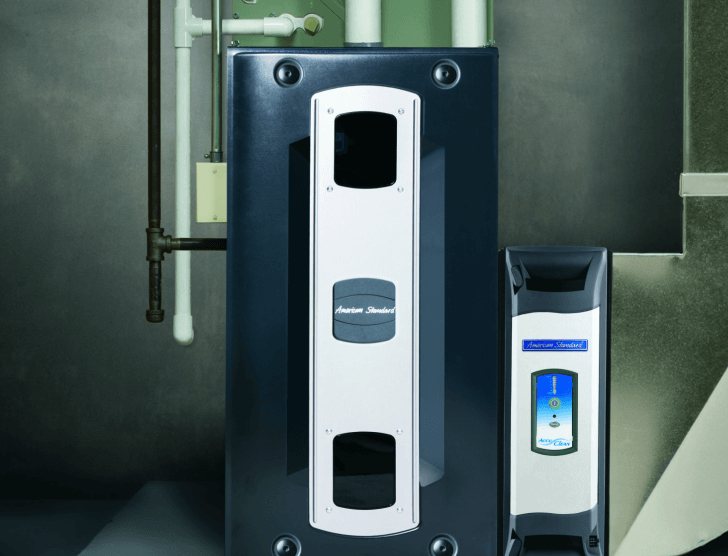

No flame? Book an igniter or sensor test.
Call or text with what the burners do. A City & Suburban technician diagnoses the fault, then prices the work upfront before anything is replaced.